
Planning a trip across Europe is exciting, but bookings can quickly become messy if you don’t approach them strategically. Between hotels, flights, trains, and visa requirements, a few smart choices early on can save you money, time, and a lot of unnecessary stress. Over the years, after multiple trips across the Schengen region, I’ve learned that efficient bookings are less about finding the cheapest option and more about planning with flexibility and awareness. Here are five practical tips that can make your hotel and transport bookings smoother while travelling across Europe.
Stay Loyal to Airlines and Booking Platforms
When it comes to booking flights and hotels, loyalty pays back more often than people realise. If you frequently travel with the same airline or use the same booking platform, you start unlocking small but meaningful perks.
For flights, I prefer booking directly through the airline’s website rather than a third-party aggregator. Changes to travel plans happen more often than we expect—especially on longer trips across Europe. Booking directly makes cancellations, date changes, and itinerary adjustments far easier to manage.
For hotels, platforms like Booking.com reward repeat users with Genius-level upgrades, which often translate into discounted room rates, free breakfast, or occasional room upgrades. Over time these benefits add up and noticeably reduce accommodation costs.


Pre-Paying Hotels Can Save Money
Many hotels offer two types of pricing: pre-paid bookings and pay-at-checkout bookings. In most cases, pre-paid rates are cheaper.
Another reason I prefer paying in advance is currency movement. If you are travelling from India, a depreciating rupee can make the final bill more expensive by the time you check out. Paying earlier locks in the exchange rate and protects your budget.
However, flexibility matters too. If your itinerary is still evolving, the pay-later option can be useful. Think of it as paying a small premium for flexibility.
If your plans are fixed, pre-payment almost always works out cheaper.


Plan Inter-City Travel Early
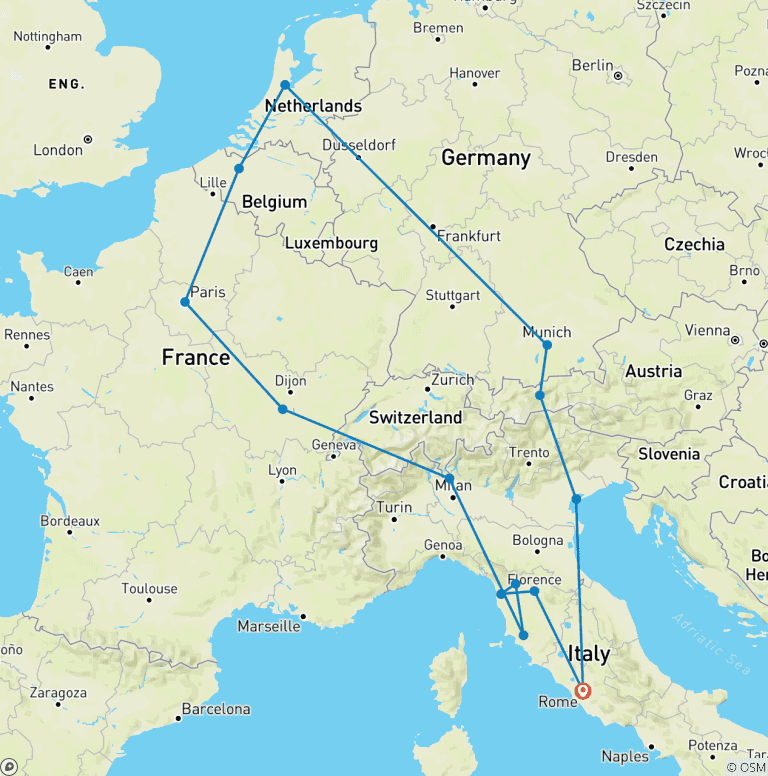
Europe is extremely well-connected through trains, low-cost flights, and buses. But prices fluctuate significantly depending on when you book.
When planning a multi-city Europe itinerary, always check:
- Train schedules
- Budget airline routes
- Bus options between cities
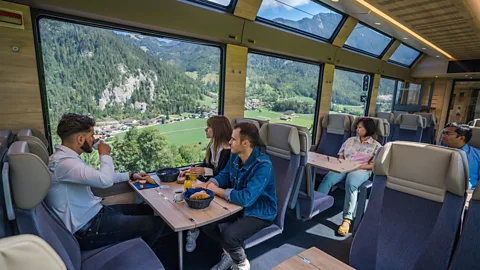
Sometimes trains are faster and more comfortable, while budget flights may be cheaper for longer distances. Another option worth considering is the Eurail Global Pass or Rail Europe passes. These passes allow travel across multiple countries and provide tremendous flexibility. My favourite variant is the 5 or 7 travel days within one month, which lets you move freely between cities without committing to fixed schedules.
If you’re exploring only one country, country-specific rail passes may offer better value.


Don’t Forget Seat Reservations
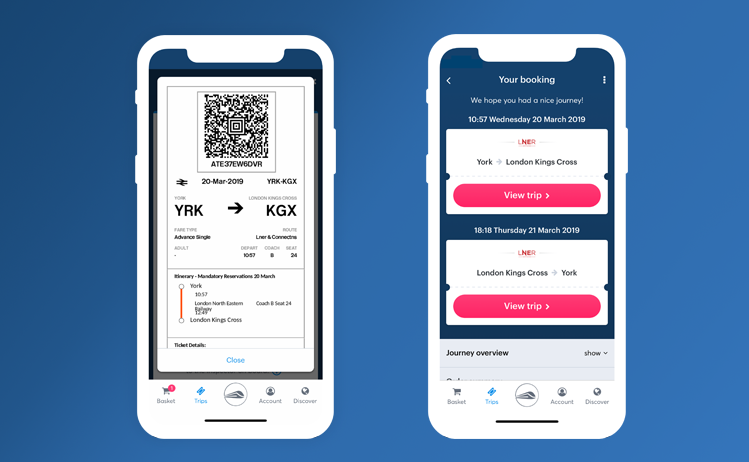
This is a small detail that many travellers overlook. Even if you hold a Eurail or rail pass that allows free train travel, seat reservations may still be mandatory on certain routes. This is especially common for high-speed intercity trains in countries like:
- France
- Spain
- Italy
These trains require paid seat reservations even for pass holders. For a detailed list of countries requiring seat reservations, check this out.
Skipping reservations usually means taking slower regional trains with multiple stops and longer travel times. That might work for backpackers, but it becomes exhausting if you are travelling with luggage or kids.
There is also a quota for pass holders. If you try to reserve seats too late, those seats may already be sold out. I experienced this firsthand while travelling from Paris to Barcelona. Because the reservation quota was exhausted, I had no option but to buy a full-price ticket. In Spain, things can get even trickier. Some reservations cannot be booked online through Eurail and must be purchased at the main train station ticket counters.
Visa Itinerary vs Actual Travel Plans
This topic often confuses travellers applying for a Schengen visa. The travel itinerary submitted during a visa application is meant to demonstrate your travel plan and accommodation arrangements. However, in practice, travellers sometimes adjust their plans after receiving the visa.
That said, the entry and exit countries mentioned in your visa application should ideally remain the same. Changing internal travel plans is generally manageable, but completely altering your entry point can create complications.
There is also an ethical side to this issue. Some travellers attempt visa shopping, applying through a country with easier appointment availability while intending to visit another country entirely. Embassies are increasingly aware of this behaviour, and it’s always better to maintain transparency and plan your itinerary responsibly.
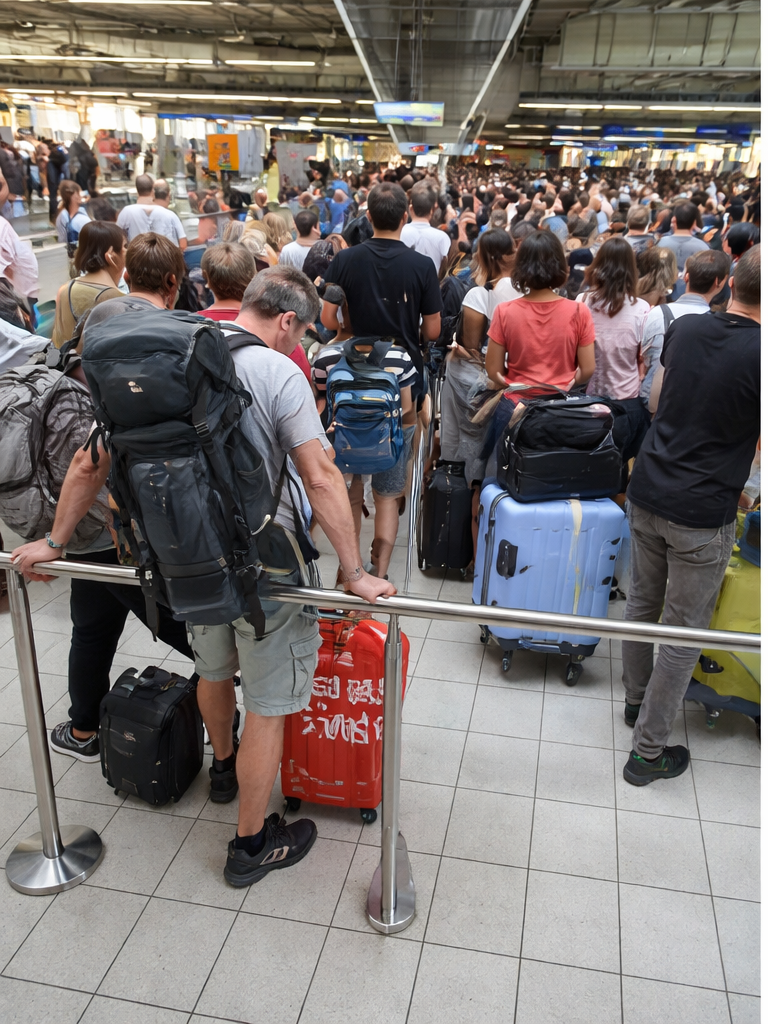
In recent months, enforcement around travel documents has become noticeably stricter. Airlines are increasingly checking visas and onward travel plans carefully during check-in. In cases of a major mismatch between the visa itinerary and the actual travel plan, airline staff may escalate the matter to immigration authorities, which can lead to denied boarding or even visa cancellation. I recently heard of a family facing this issue while flying with Lufthansa. Similarly, during train journeys within the Schengen region, border police occasionally board trains near borders to verify passports and visas. EU residents can show national IDs, but tourists must carry passports and valid visas at all times.

Conclusion
Efficient bookings are the backbone of a smooth European trip. Staying loyal to airlines and booking platforms, choosing the right payment options for hotels, planning inter-city travel early, and understanding seat reservation rules can prevent unnecessary headaches along the way.
A little planning up front means more time enjoying the cobbled streets, scenic train journeys, and unforgettable cities that make Europe such a rewarding place to explore.