Food is one of the best parts of travelling in Europe. Every city has its own flavours, traditions, and street-side treats waiting to be discovered. But dining out regularly can quickly stretch your travel budget, especially in popular destinations like Paris, Zurich, or Barcelona.
Fortunately, with a little planning and a few practical habits, you can enjoy great meals while keeping costs under control. Over the years of travelling across Europe, I’ve found that the key is to mix local experiences with smart everyday choices.
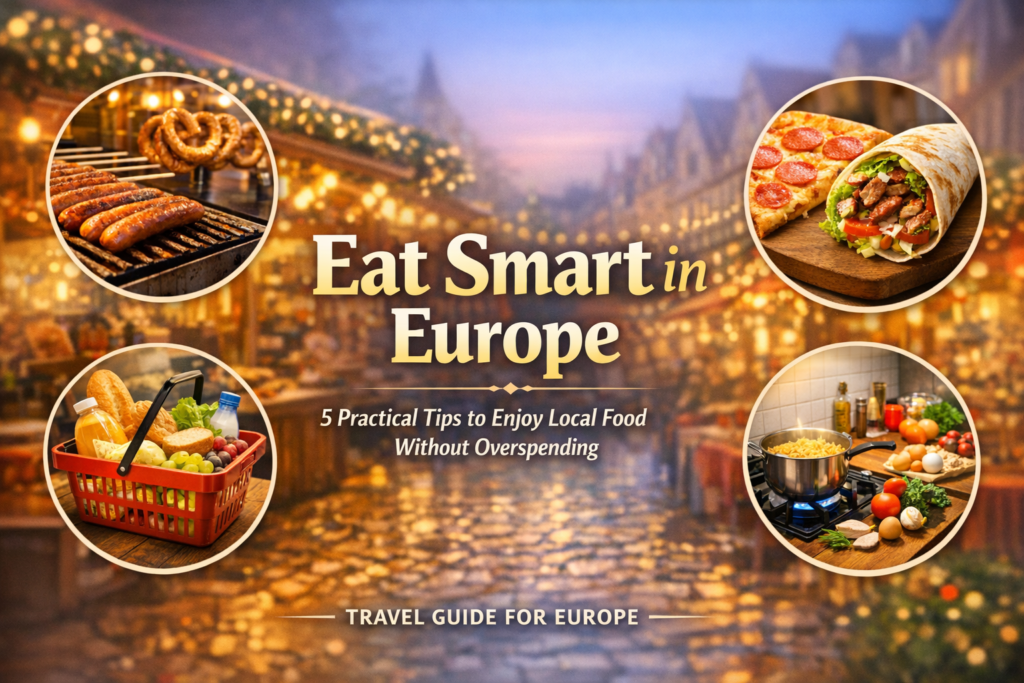
If you’re planning a European trip, these five eating tips will help you enjoy the food culture while staying within your budget.
Travel During Festival Seasons for the Best Local Food
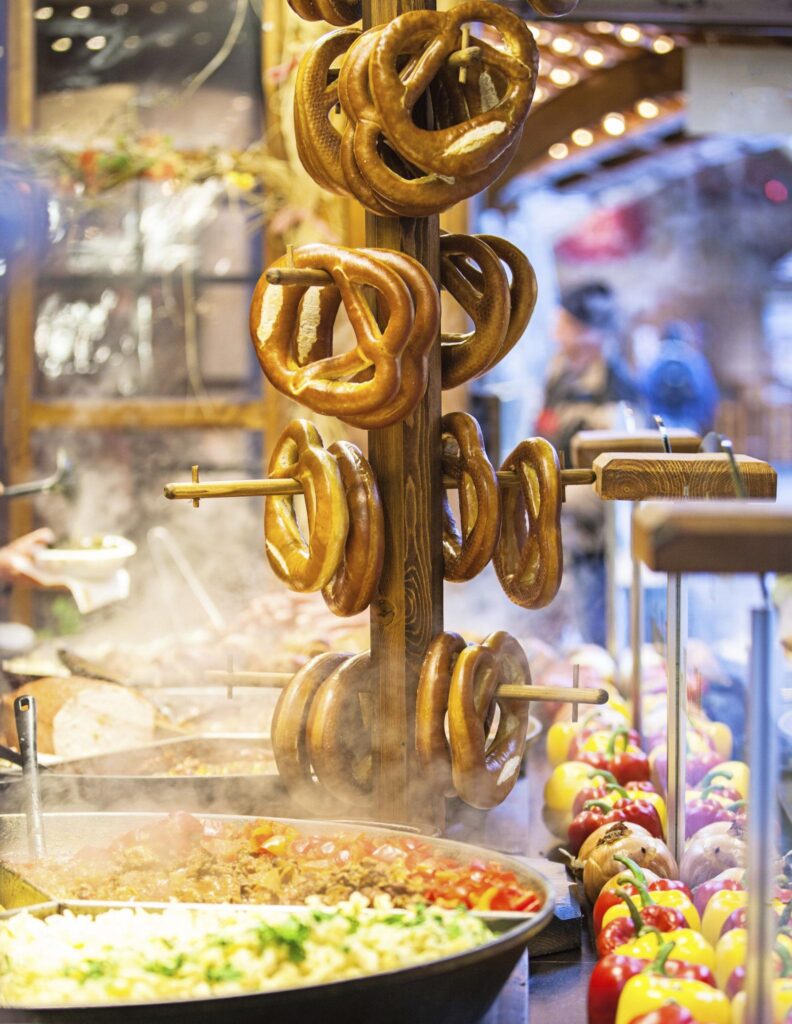
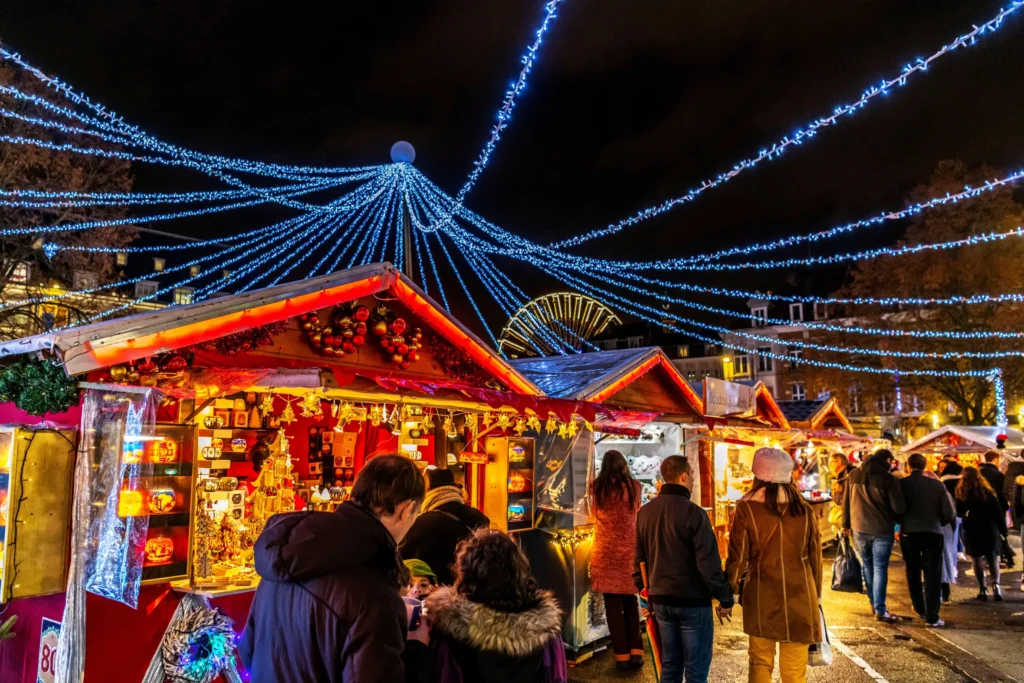
One of the easiest ways to experience authentic European food is by travelling during festival seasons. Cities come alive with food stalls, seasonal markets, and traditional dishes that are often cheaper than restaurant meals.
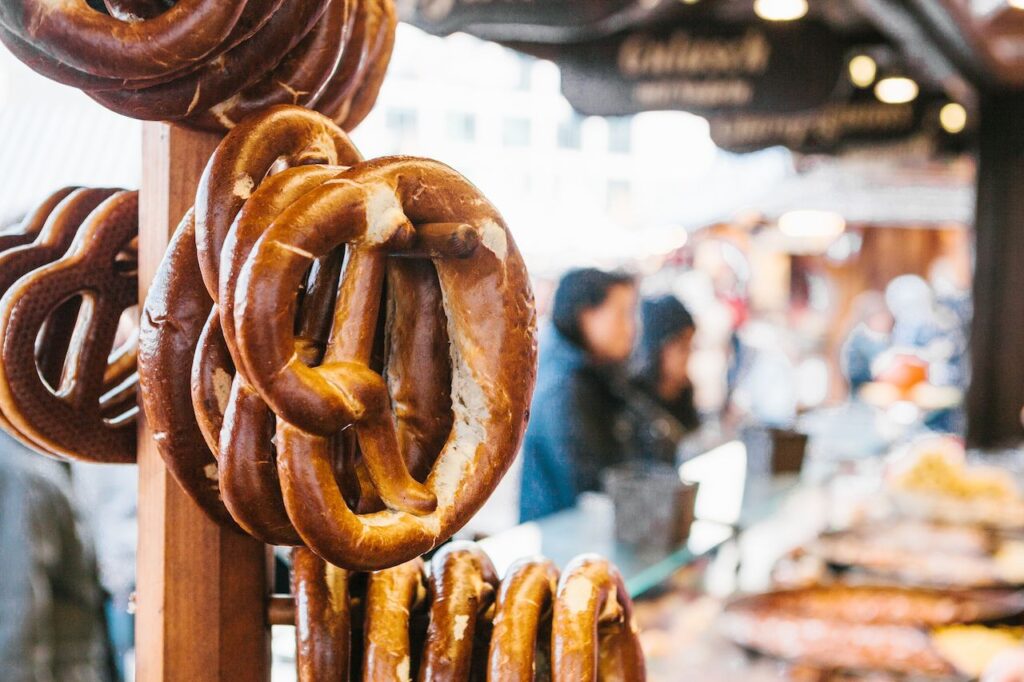
The most famous example is the Christmas market season, which runs across many European countries from late November through December. Streets fill with wooden stalls selling regional treats such as sausages, pastries, roasted nuts, mulled wine, and sweet breads.
Another great period is the time between Easter and the Advent season, when many towns host food fairs, harvest markets, and local festivals. These events often showcase regional delicacies that are hard to find elsewhere.
Festival food stalls usually serve generous portions at reasonable prices, making them an excellent option for travellers looking to try authentic dishes without committing to expensive sit-down restaurants.
Don’t Ignore Fast Food and Street Options
Sometimes, the simplest food options are also the most reliable.
If local cuisine feels unfamiliar or restaurant prices seem steep, there’s nothing wrong with stepping into a McDonald’s or Burger King for a quick meal. In many European cities, these outlets are clean, efficient, and surprisingly comfortable places to recharge after a long day of sightseeing.
From personal experience, one of the best fast-food meals I’ve had in Europe was at Burger King in Tromsø, Norway. I’ve visited several branches in cities like Barcelona and Paris, but the taste and atmosphere there stood out.
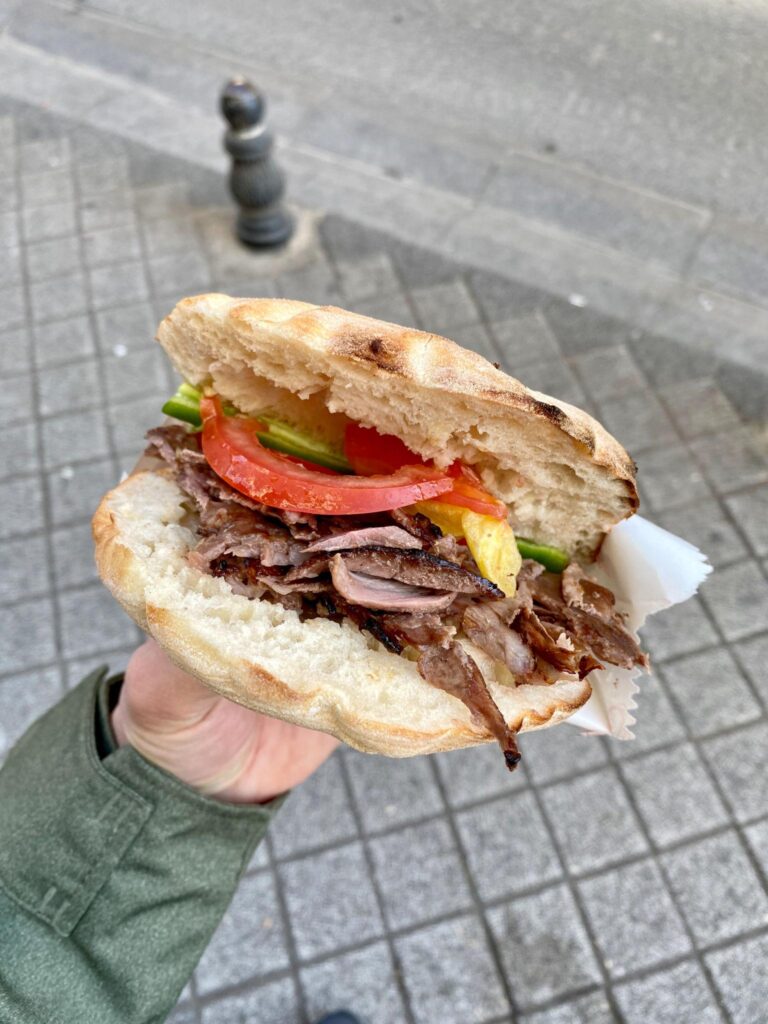
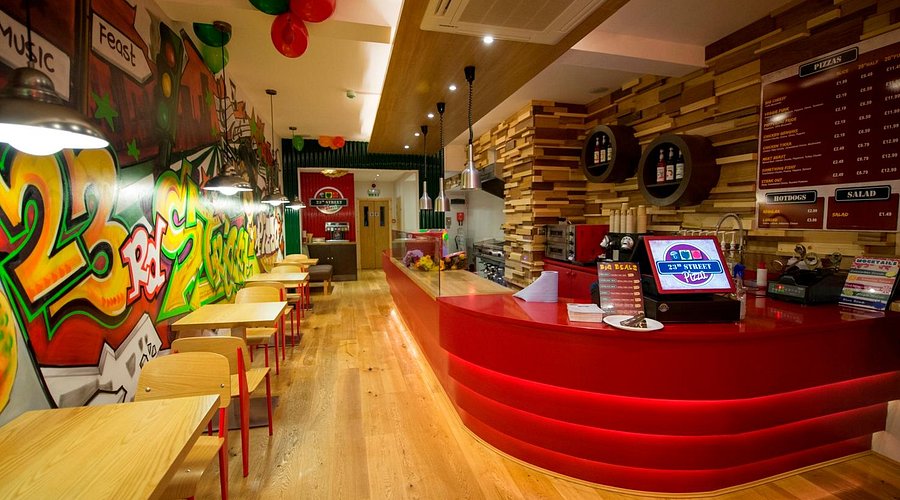
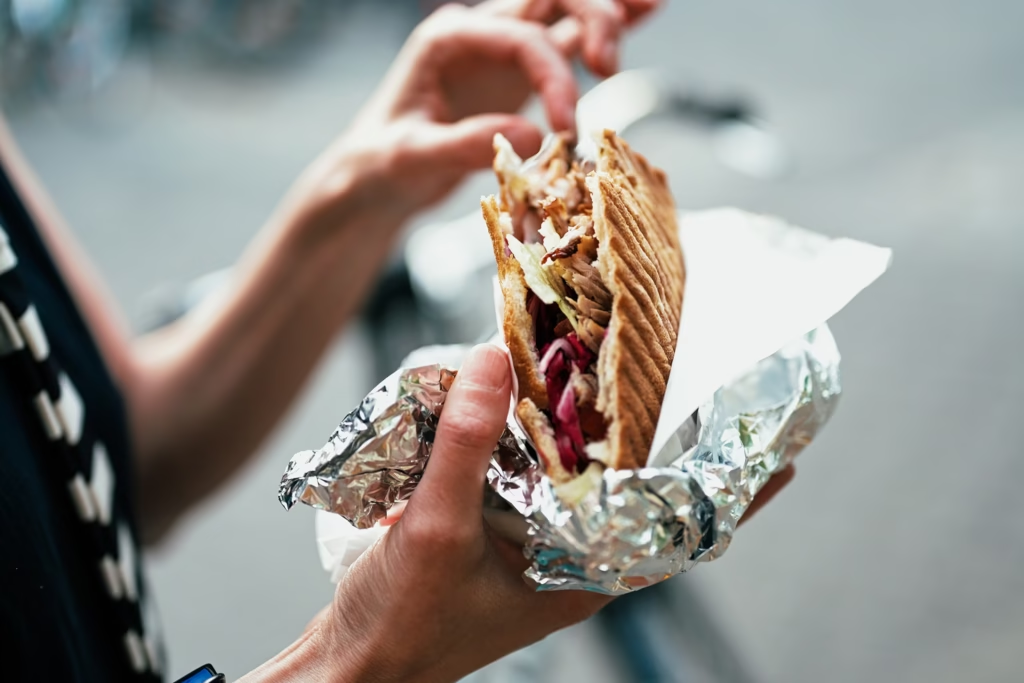
Another dependable option across Europe is pizza outlets and kebab shops. Turkish doner kebab restaurants, especially those inspired by Berlin-style street food, are widely available in major cities. They serve filling wraps and rolls that are both tasty and reasonably priced.
These quick meals may not always be gourmet experiences, but they’re practical when you’re hungry and trying to stay within budget.
Carry a Water Bottle – It Saves More Than You Think
One small habit that can save a surprising amount of money is carrying your own water bottle.
Unlike in many parts of the world, restaurants in Europe typically do not serve free drinking water. If you ask for water at a restaurant, you’ll often be offered bottled water that may cost several euros.
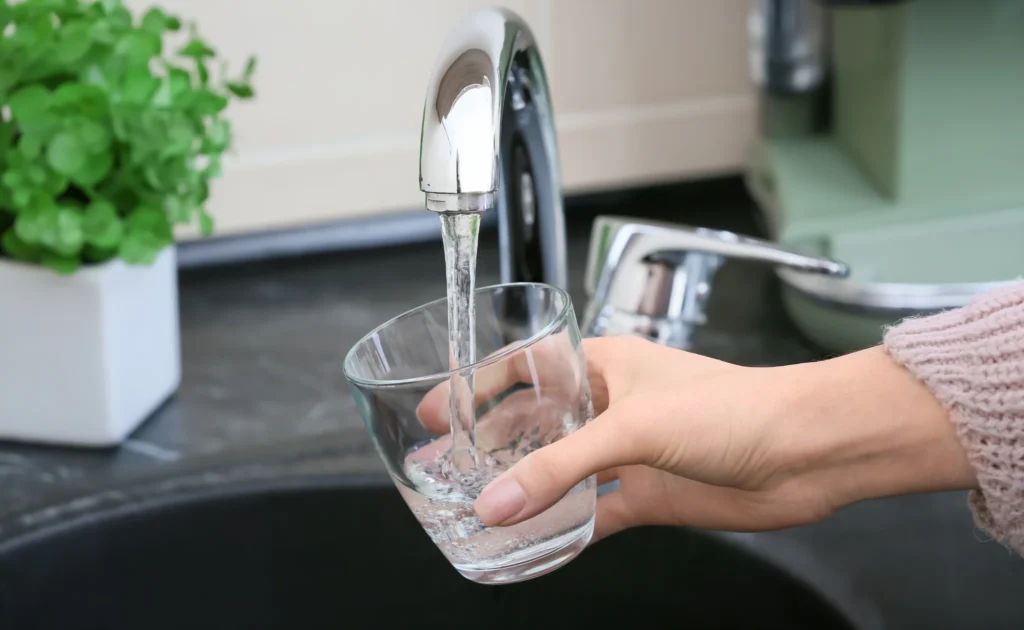
The good news is that tap water in most European countries is perfectly safe to drink. Cities maintain excellent water quality standards, so filling your bottle at your hotel or apartment is usually enough for the day.
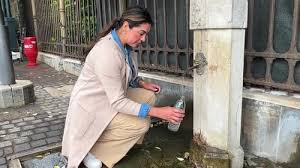
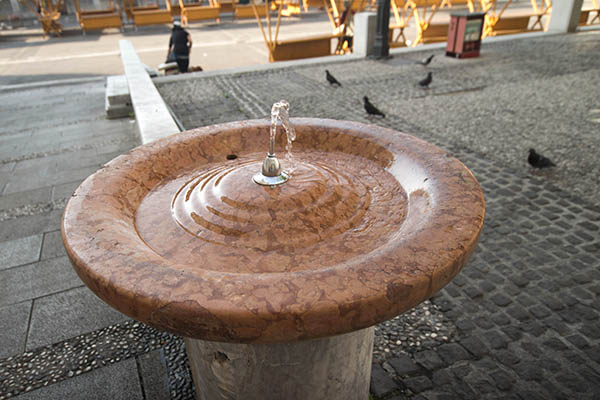
Some larger cities also have public drinking water fountains, which are especially common in places like Paris.
If you prefer bottled water, buying it from a supermarket is far cheaper than purchasing it at tourist spots or restaurants.
Use Supermarkets for Everyday Essentials
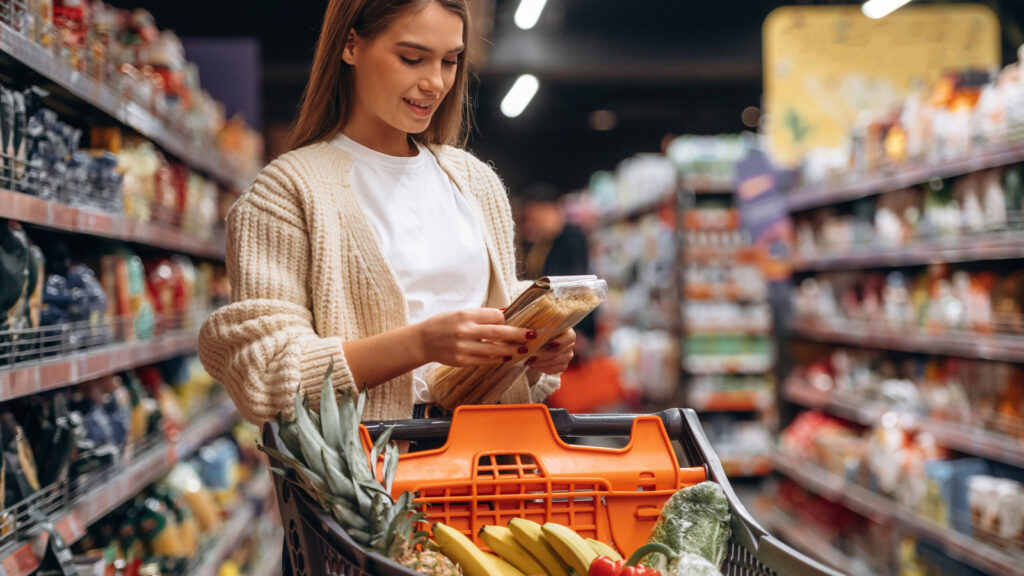
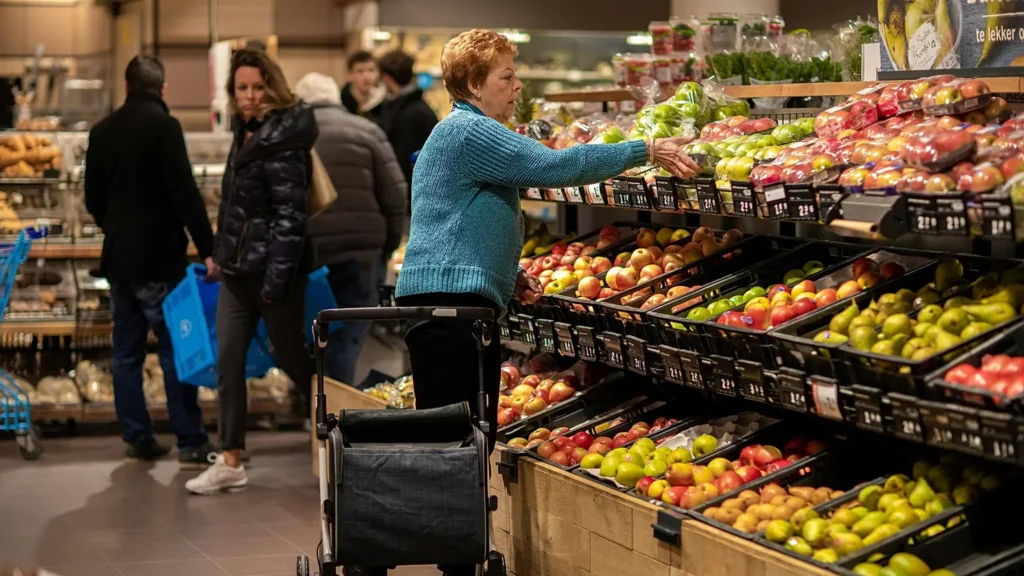
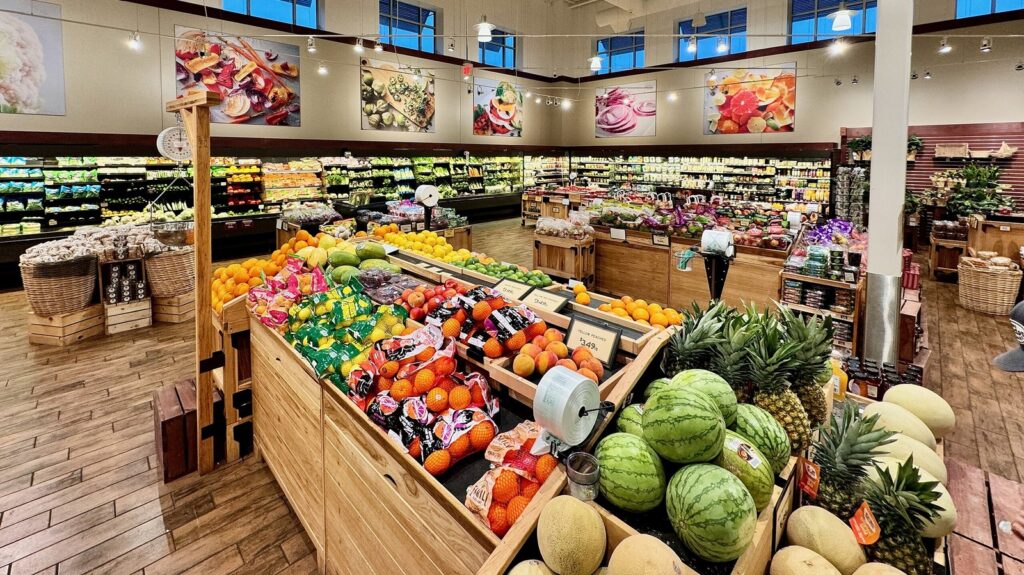
Supermarkets are one of the best-kept secrets for eating well on a budget while travelling.
Unlike India, where products often have a fixed MRP, European stores set their own prices, which means the same item can cost drastically different amounts depending on where you buy it.
For example, I once saw a 500 ml water bottle priced at five Swiss francs near a cruise boarding point in Zurich. The exact same bottle costs less than one franc in supermarkets like ALDI, REWE, or Carrefour.
Supermarkets are also great places to pick up quick meals. You’ll often find:
- Fresh sandwiches
- Ready-made salads
- Local bakery items
- Fruits and snacks
Many stores even have small seating areas where you can enjoy your food immediately. For travellers trying to control daily expenses, supermarket stops can easily replace one or two restaurant meals each day.
Consider Airbnb if You Plan to Cook
If your trip involves a longer stay in one city, Airbnb accommodation can significantly reduce food costs.
Most hotel rooms in Europe do not provide cooking facilities. At best, you might have a kettle or minibar, which limits what you can prepare yourself.
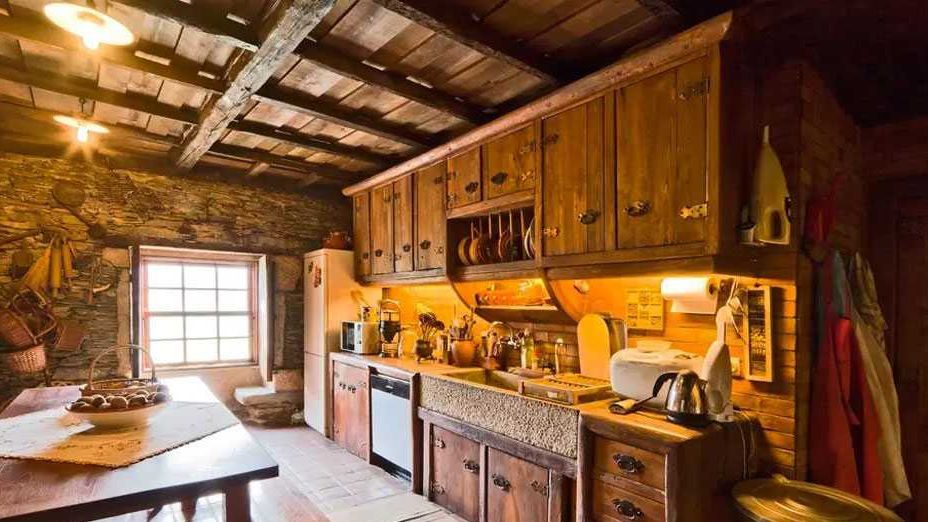
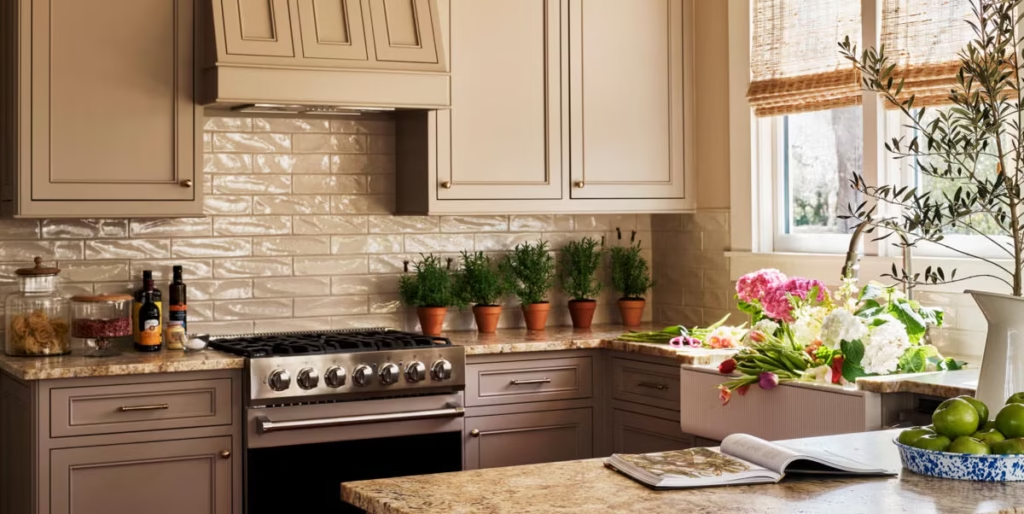
Airbnb apartments, on the other hand, often include basic kitchen setups with an induction stove, sink, refrigerator, and utensils. This simple setup opens up a lot of flexibility.
Buying ingredients from nearby supermarkets and preparing simple meals can dramatically cut daily expenses.
To give an idea of restaurant costs, in Paris a single main dish with bread at an Indian restaurant can easily cost 20–25 euros. Many local dishes in cafés and bistros fall within a similar range.
Cooking even a few meals during your stay can help balance your budget while still allowing you to enjoy restaurant dining occasionally.
Final Thoughts
Eating well while travelling in Europe doesn’t have to mean spending heavily every day. With a mix of local festivals, casual eateries, supermarket stops, and occasional home-cooked meals, you can enjoy the continent’s food culture without overshooting your travel budget.
A few simple habits—like carrying a water bottle, exploring street food, and shopping smartly—can make a noticeable difference in daily expenses.
In the end, the goal is simple: eat well, stay curious, and leave room in the budget for the next adventure.