

When we travel, hotels become our temporary homes. After a long day of sightseeing, trains, and city walks, that hotel room is where you recharge. But choosing the right hotel is not just about star ratings or Instagram-worthy interiors. A few practical choices can save money, time, and even enhance your travel experience.
Over the years of travelling across Europe—from Paris to Switzerland and beyond—I’ve noticed that a few simple strategies make hotel stays far more enjoyable. If you’re planning your next trip, keep these five hotel tips in mind.
Skip Room Service (Most of the Time)
Room service often sounds tempting, especially after a tiring day of travel. But the truth is that it’s usually overpriced. Hotels charge not only for the food but also for delivering it to your room. A simple meal can end up costing far more than expected.
Instead, consider grabbing takeaway from a nearby restaurant or café. It’s cheaper and often better quality. Many travellers enjoy bringing food back to the room for a relaxed evening—especially on a rest day when you want to unwind.
That said, exceptions do exist. Some hotels have signature restaurants that are genuinely worth trying. If the property is known for a specialty dish or a unique dining experience, it may be worth reserving a table once during your stay.
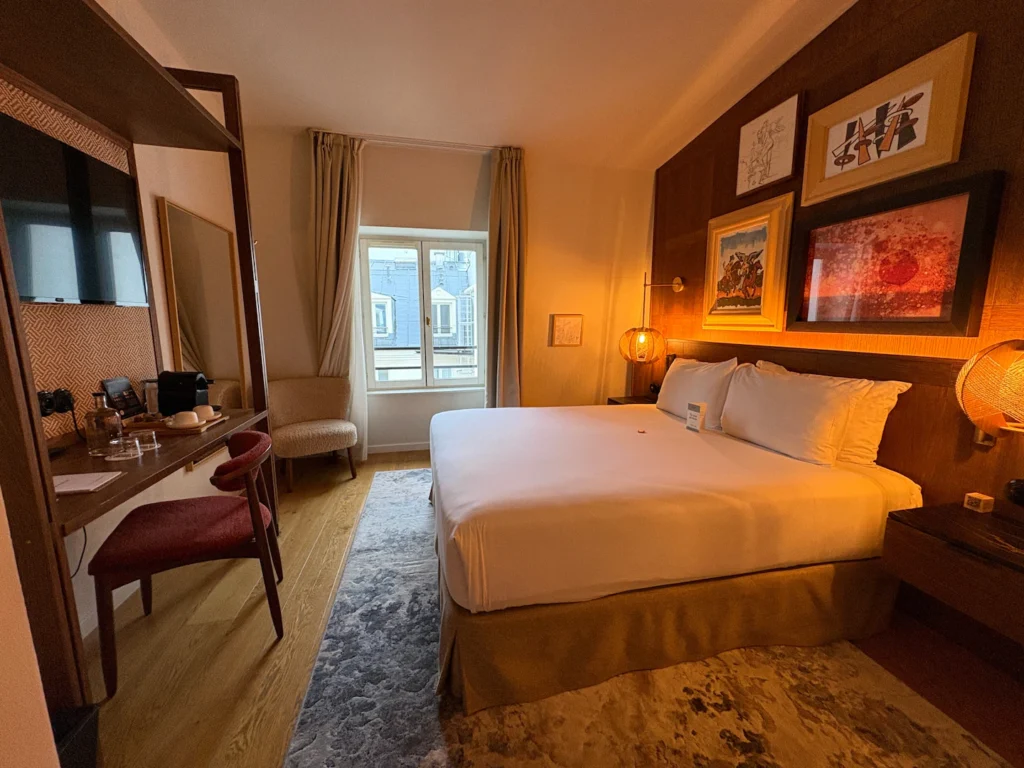
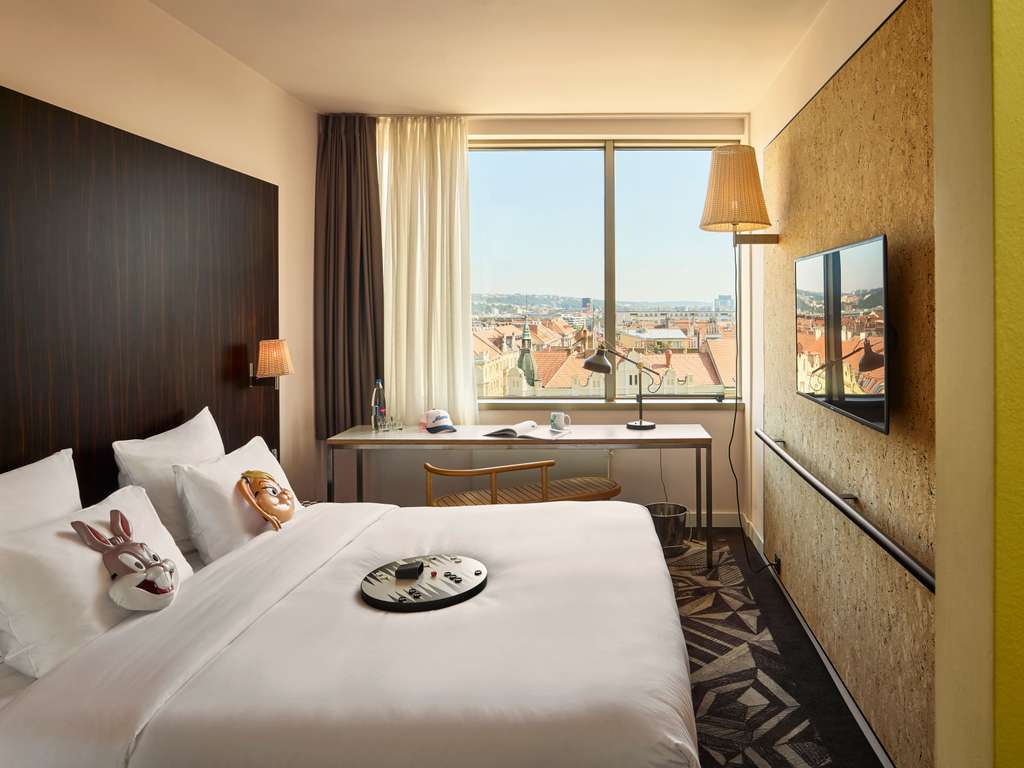

Don’t Always Book Breakfast With the Hotel
Many hotels promote “breakfast included” packages. While it sounds convenient, it’s not always the best option.
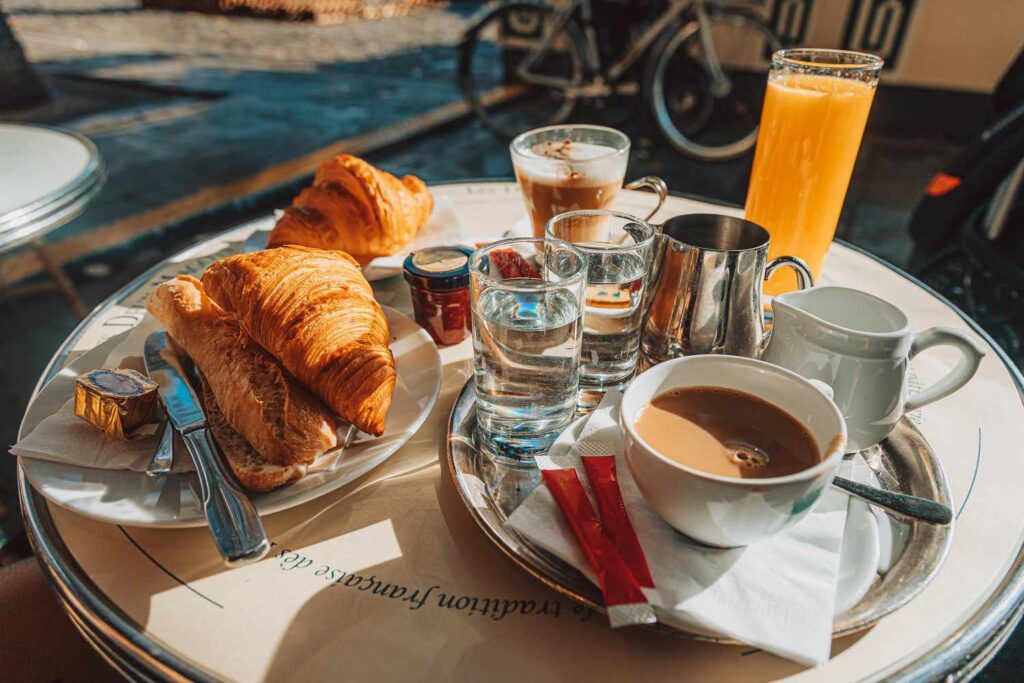
Hotel breakfasts can be expensive, repetitive, and time-consuming—especially if you’re eager to start exploring early in the morning. Instead, try grabbing quick bites from nearby cafés, bakeries, or street vendors.
This approach has two advantages:
- It saves money
- It helps you experience local food culture
For example, in European cities you might enjoy fresh croissants, espresso, or local pastries at neighbourhood cafés. These mini-meals are usually cheaper and far more authentic than a standard hotel buffet.


Cheap Hotels on the Outskirts Can Cost More
A hotel located outside the city centre might look attractive because of the lower price. But the savings can quickly disappear once you factor in transport costs and travel time.
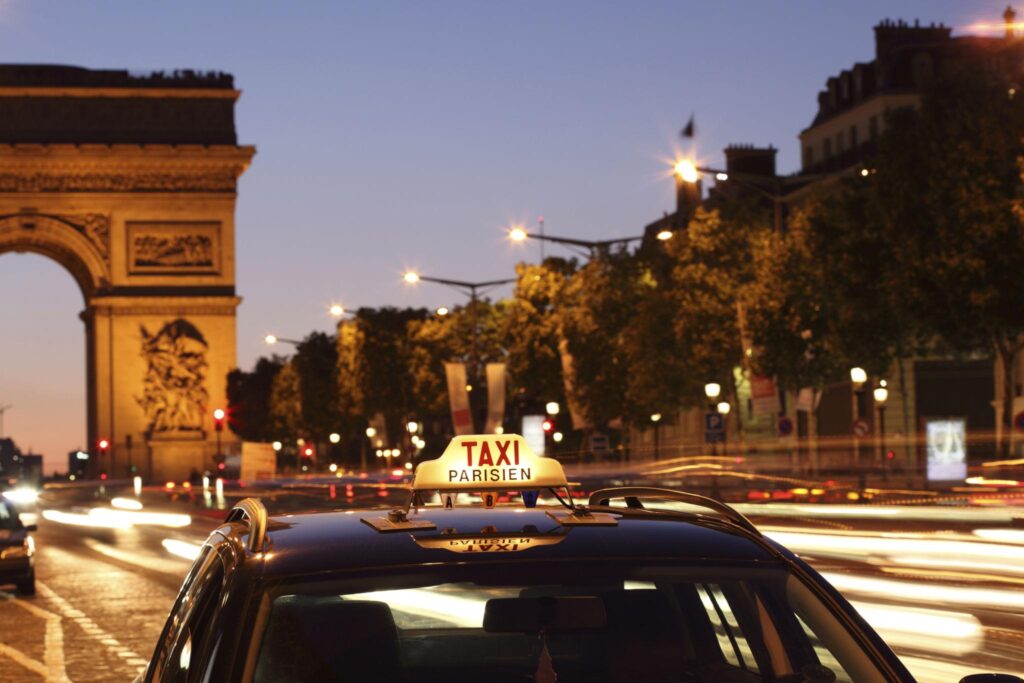
Take the example of staying near Paris Charles de Gaulle Airport. While the hotel may be cheaper, reaching the city centre can cost around €12 by train or €60 by taxi. On top of that, you may spend nearly an hour travelling each way.
That means you lose two hours every day, time that could have been spent exploring the city.
When planning a trip, remember that time is the real currency of travel. A slightly more expensive hotel in the city can often be the smarter choice.
Stay Near the City’s Central Landmark
One of the simplest ways to pick a good hotel location is to stay near the city’s central hub.
In most European cities, this hub is either:
- The main train station
- The central square
- The main cathedral or historic church
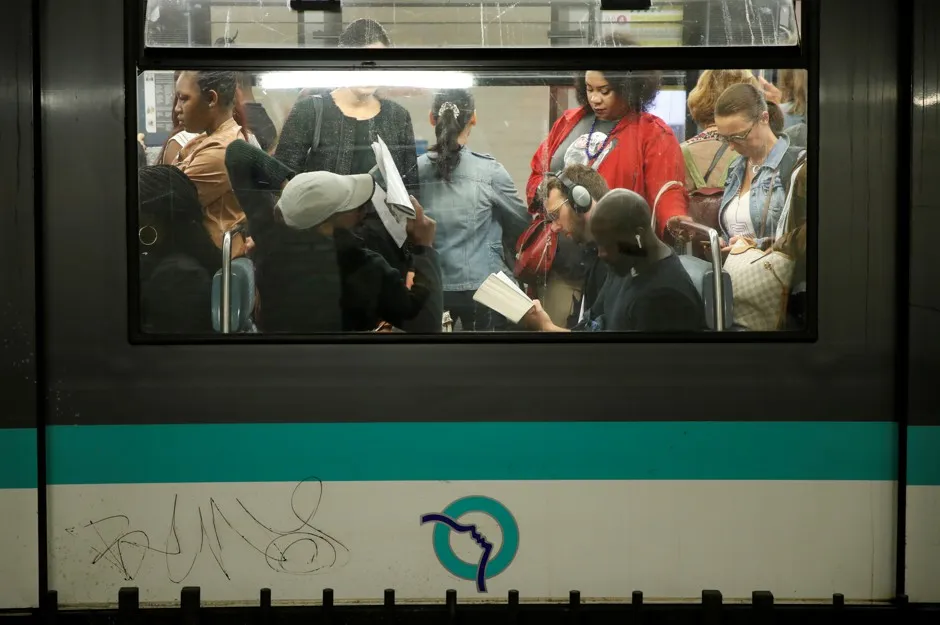
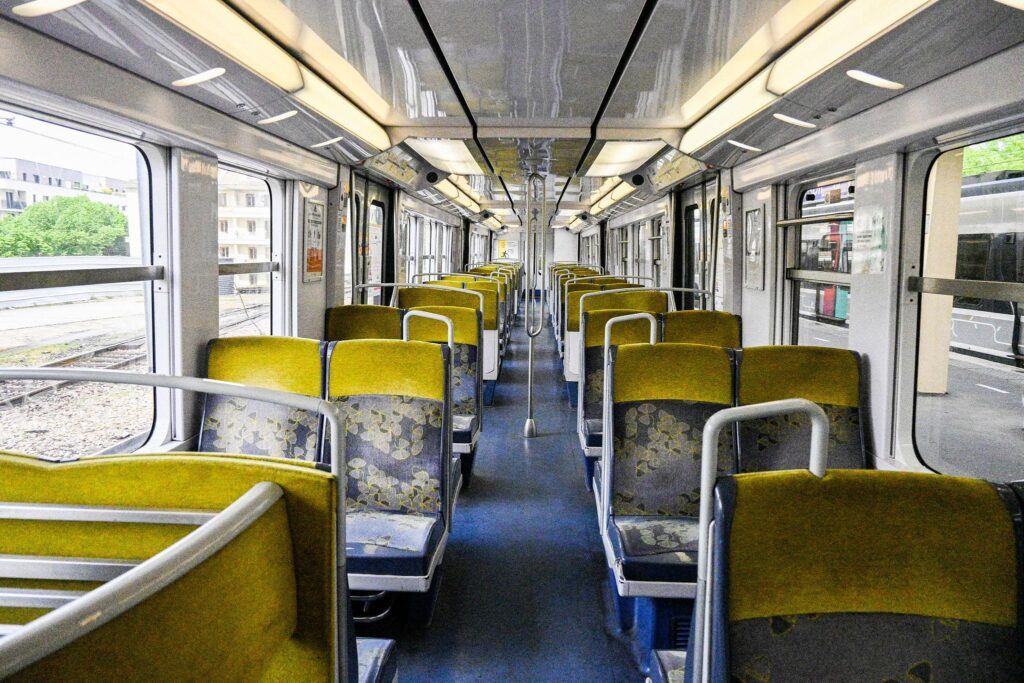
These areas typically have excellent public transport connections, restaurants, cafés, and major attractions within walking distance.
For example, in many cities you can step out of your hotel and immediately access metro lines, trams, buses, and walking routes to key landmarks. This dramatically reduces commuting time and makes sightseeing far more efficient.


If Budget Allows, Pay for the View
Sometimes the best upgrade you can give your trip is simply a room with a view.
Imagine waking up to:
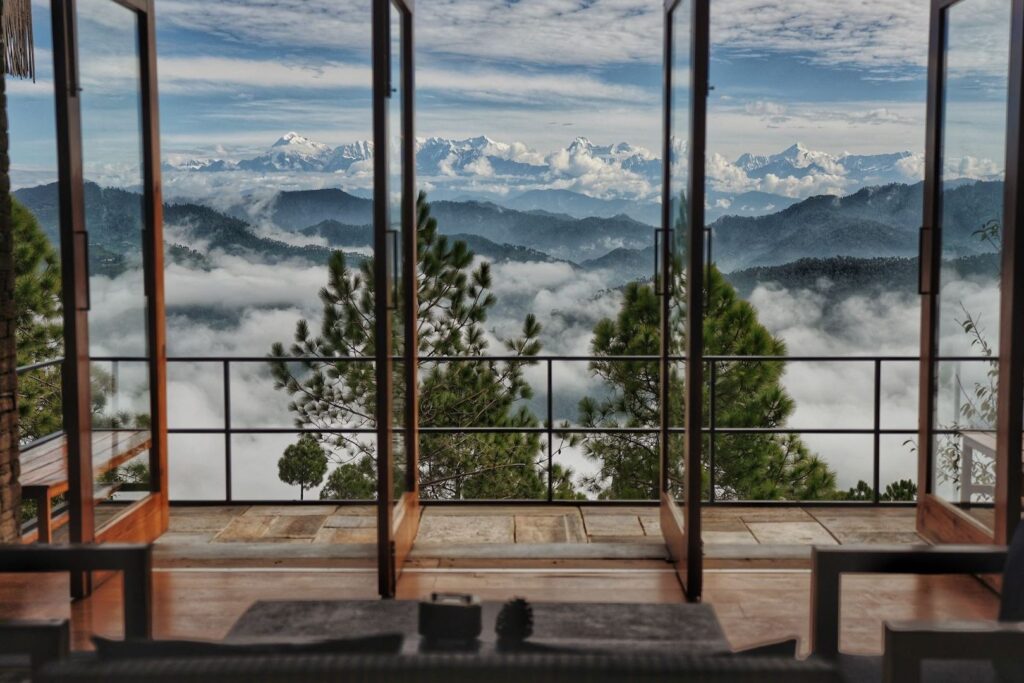
- Snow-covered mountains in Switzerland
- A river flowing through a historic town
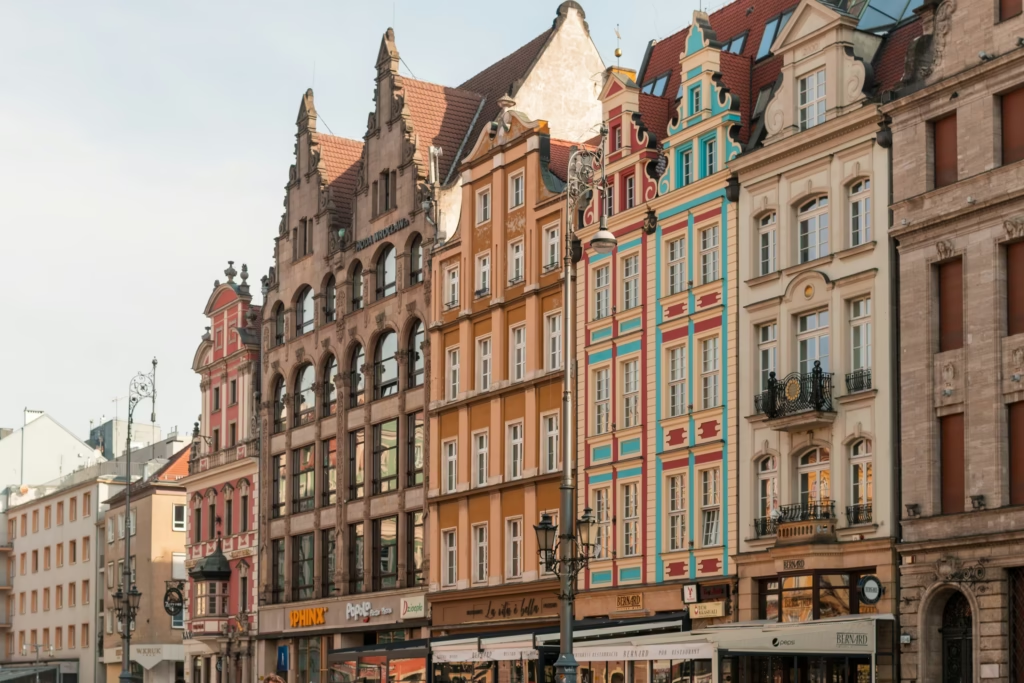
- A lively European market square
- A charming old-town skyline
These views can turn an ordinary hotel stay into a memorable travel moment.
If your budget has some flexibility, it’s worth considering. A scenic balcony or window view can add a surprising amount of joy to your trip—especially during quiet mornings or relaxed evenings.


Final Thoughts
Choosing the right hotel is less about luxury and more about smart decisions. A well-located hotel, quick breakfast options, and thoughtful spending can improve your travel experience significantly.
To summarise:
- Avoid expensive room service unless it’s a special restaurant
- Skip hotel breakfasts and explore local cafés
- Don’t sacrifice location for a slightly cheaper hotel
- Stay close to central transport hubs or historic landmarks
- Spend a little extra for a memorable view when possible
These simple hotel tips can help you travel smarter, save money, and make the most of your time exploring a new destination.
If you’re planning a trip and need help selecting the right hotels or building a practical itinerary, explore more travel insights on Jaunt Planners.