Europe is incredibly rewarding to explore, but the little things often determine whether a trip feels smooth or frustrating. Flights, hotels, and sightseeing usually get all the attention while planning. Yet in reality, unexpected situations — a pharmacy visit, a payment failure, or a closed attraction — can easily disrupt your travel day.
Over the years, I’ve picked up a few practical lessons during my European trips. These tips fall into the “miscellaneous” category, but they can quietly save you time, money, and stress during your journey. Here are five travel tips worth keeping in mind before you head to Europe.
Carry a Basic Medicine Kit — It Can Save Your Night
No one plans to fall sick during a vacation, but minor health issues can appear at the worst possible moment. A headache, stomach discomfort, or mild fever at midnight can quickly become inconvenient in an unfamiliar city.
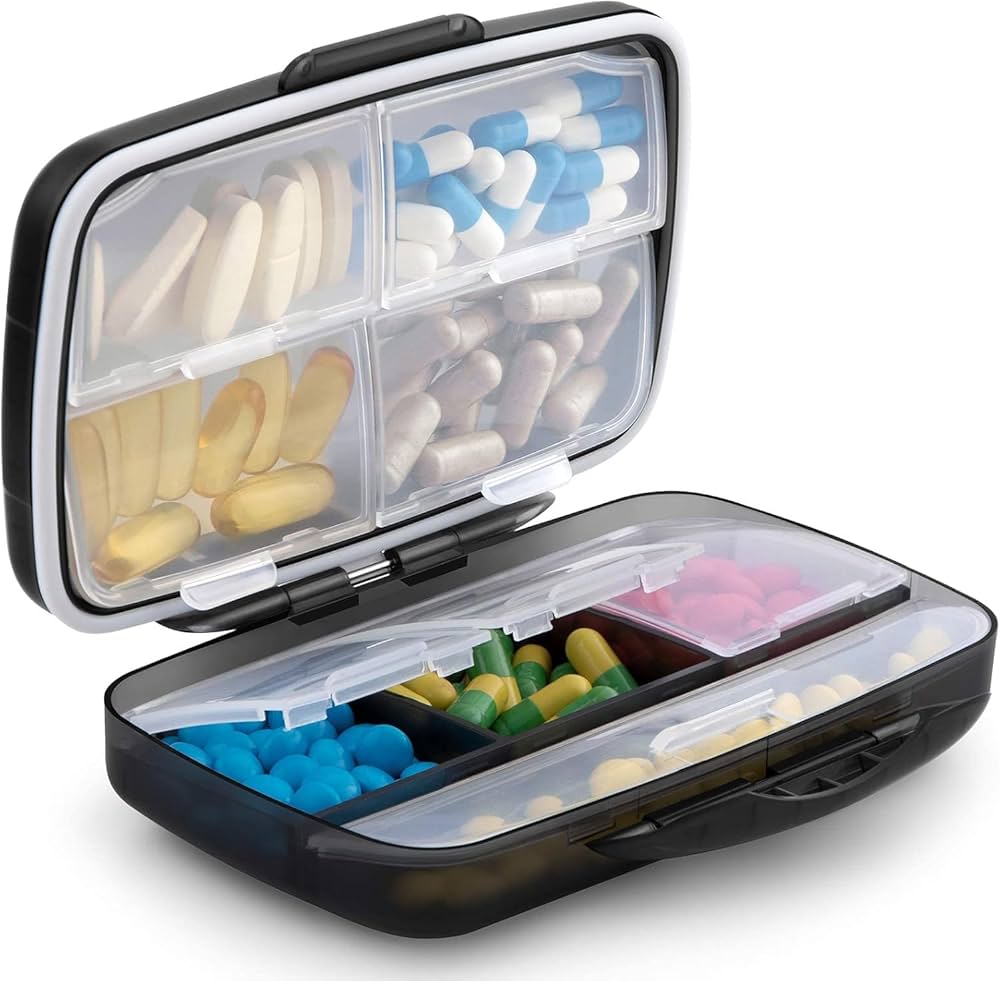
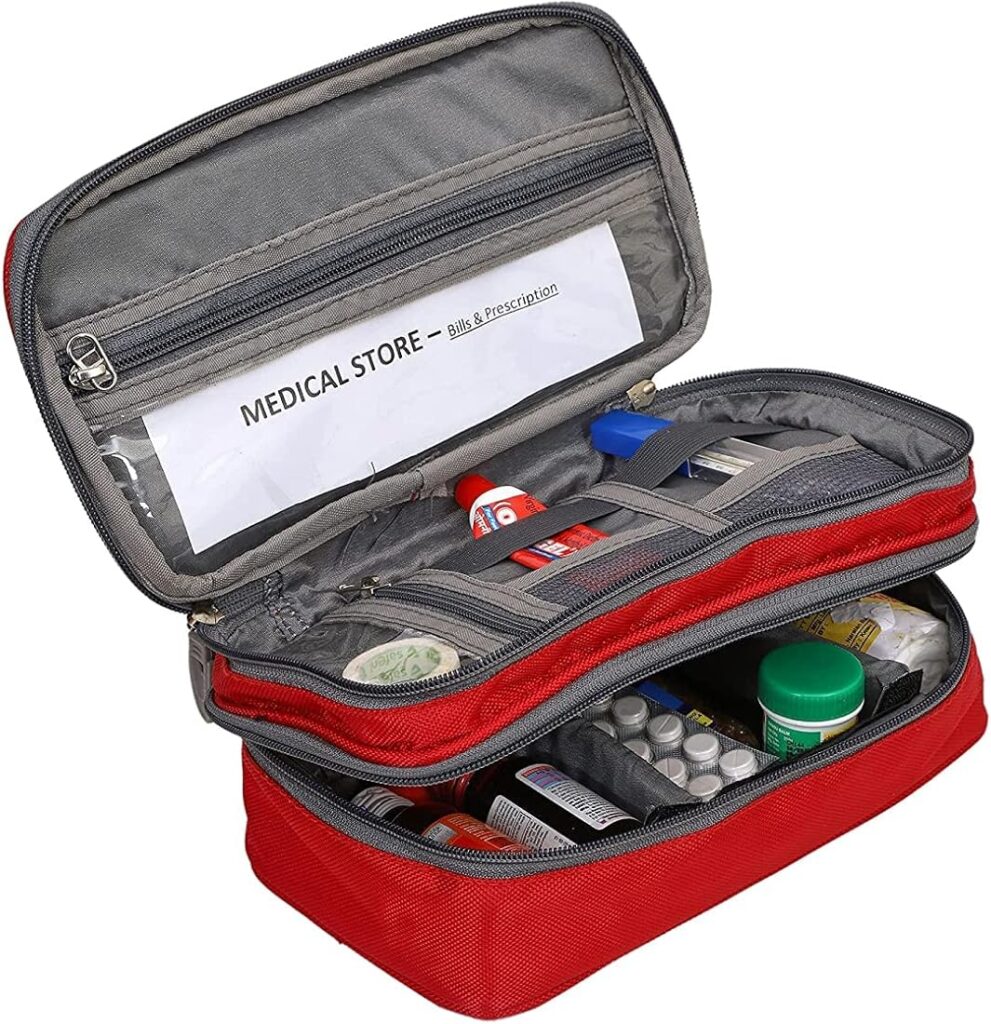
It’s always a good idea to carry a small medical kit while traveling. Apart from your prescribed medicines (if any), prepare a general set for common ailments such as headaches, allergies, digestive issues, or cold symptoms. Your family doctor can help you put together a sensible list before departure.
One important thing to remember in Europe: pharmacies generally require a prescription for many medications. Without it, you may not get what you need. A simple workaround is to keep a digital copy of a valid prescription from your doctor. European pharmacists are often helpful and may recommend the closest equivalent medicine available locally. But the rule is simple — no prescription, no medication.
Always Check Opening Days and Closing Times
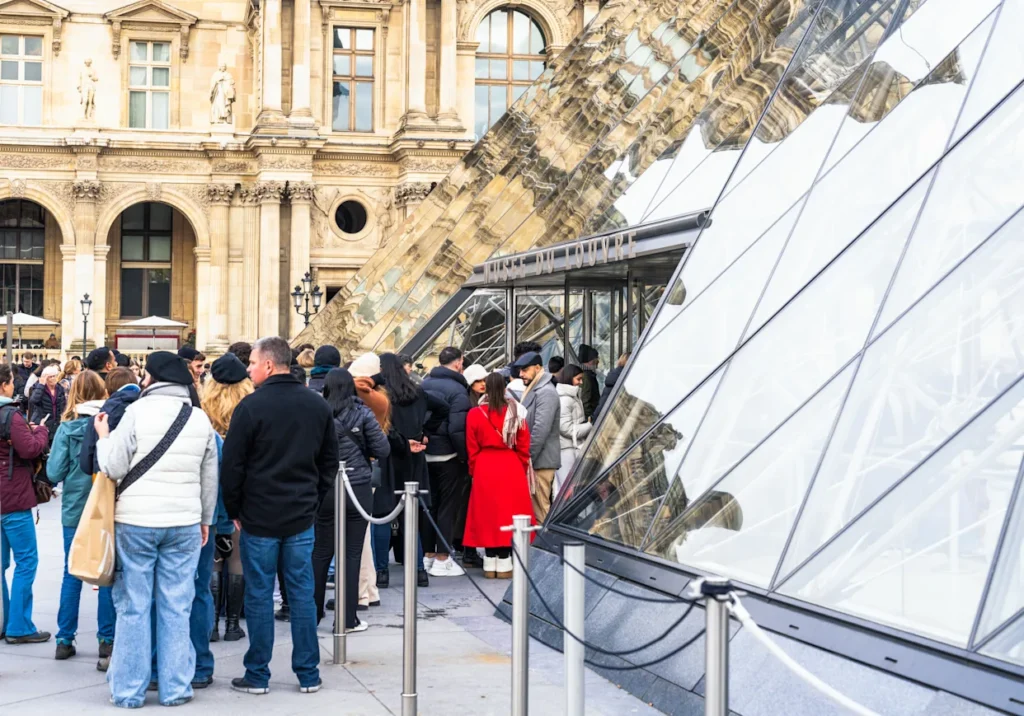
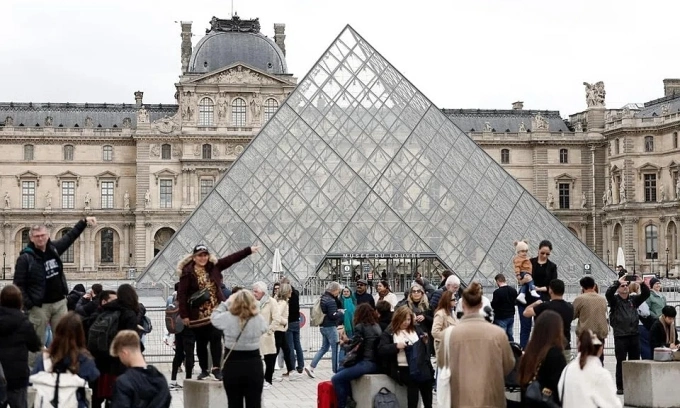
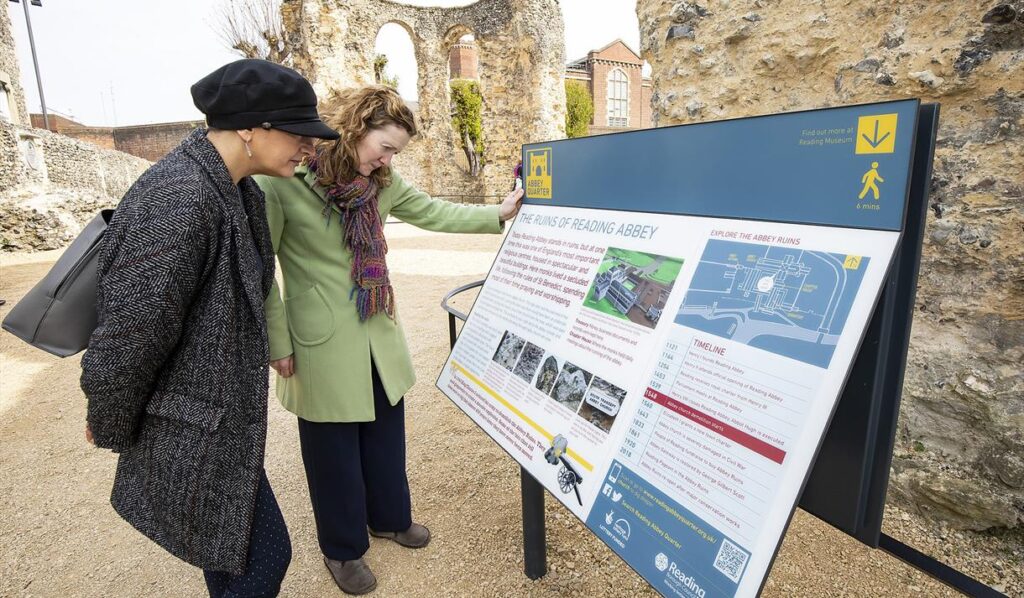
Nothing ruins a sightseeing plan faster than reaching a famous attraction only to find it closed. Many European landmarks follow specific operating schedules. Some museums close on certain weekdays, churches may have limited visiting hours, and public holidays can change access timings. Even smaller attractions often follow strict opening hours.
The best source for this information is the official website of the attraction. Interestingly, even relatively modest places across Europe maintain well-organized websites with updated visiting hours, ticket information, and travel guidance.
Before visiting any major attraction, take two minutes to verify:
- Opening days
- Closing times
- Holiday schedules
- Ticket availability
This simple check can prevent unnecessary detours and help you organize your day much better.
Always Carry Multiple Payment Cards
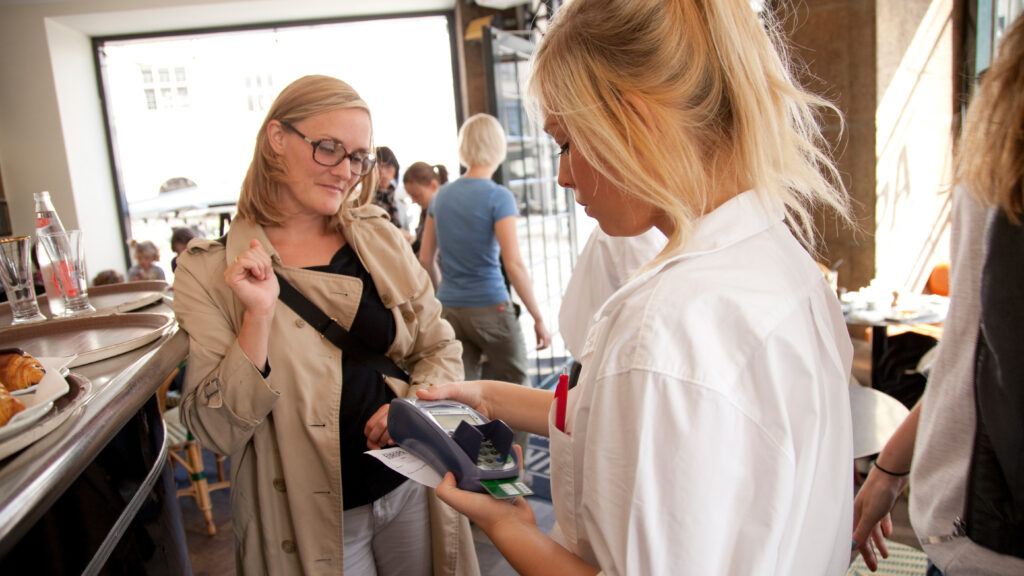
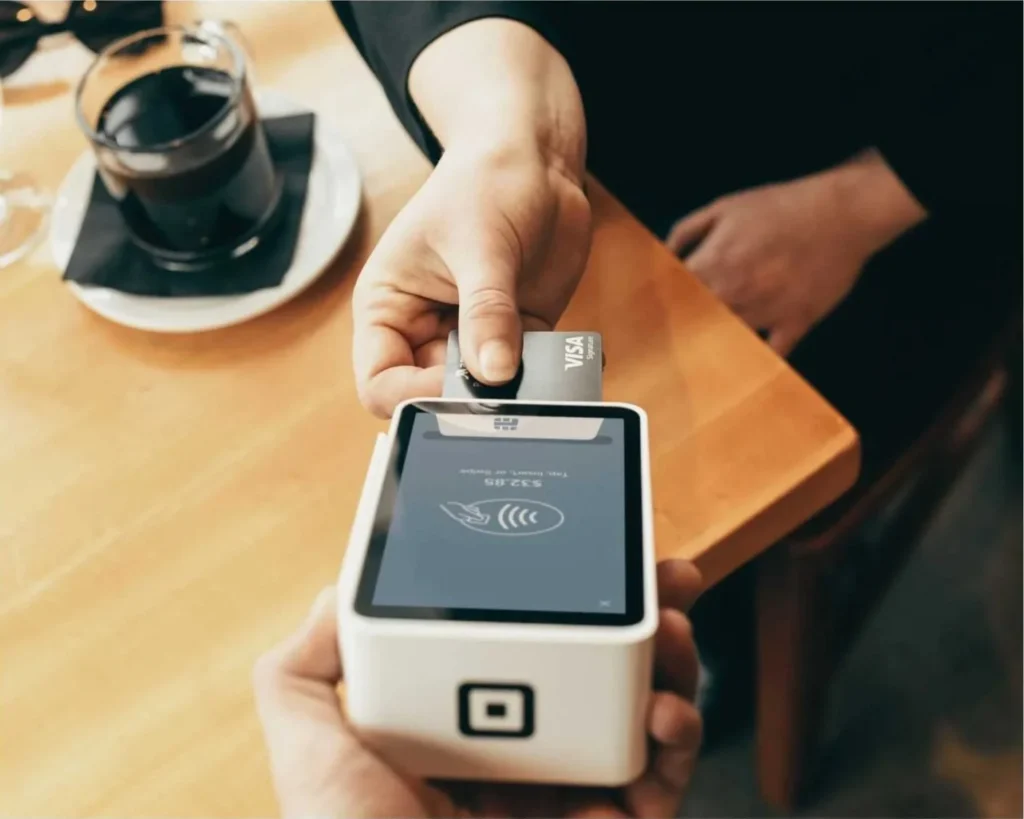
Europe is largely card-friendly, but that doesn’t mean everything always works perfectly. Occasionally, payment systems fail in strange ways. During one of my trips to Serbia, all my HDFC Visa cards suddenly stopped working for online payments. After spending hours with customer support and getting no immediate solution, I was fortunate to have a MasterCard from another bank. That card kept my trip going.
The lesson here is straightforward — never rely on a single card while traveling internationally.
Another helpful option these days is using zero-forex credit cards. Standard international transactions often include a 3–3.5% markup on currency conversion, which adds up quickly during a long trip. Zero-forex cards avoid this extra charge. Some popular options available in India include:
These cards typically offer better exchange value compared to traditional credit cards.
Carry Some Local Currency Along with Euros
While the Euro is widely used across Europe, not every country in the region follows it. For instance, Switzerland uses Swiss Francs, and the Czech Republic uses Czech Koruna.
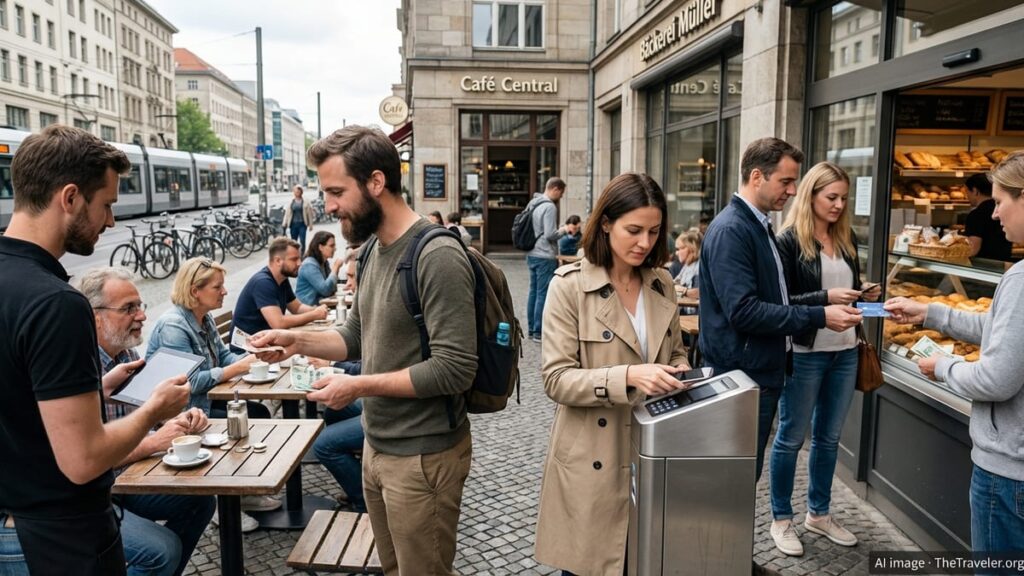
Even in Eurozone countries, small establishments sometimes prefer cash for low-value transactions. Local bakeries, street food stalls, buses, or small restaurants may either avoid card payments for small bills or simply not have card terminals.
Ironically, during a recent visit to Würzburg and Stuttgart, a few Chinese food restaurants accepted only cash. I had to dig into leftover coins from earlier travels just to satisfy my craving.
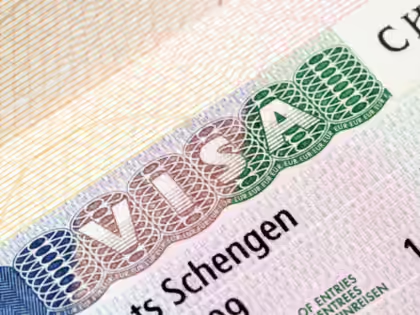
If your itinerary involves quick multi-country travel within the Schengen region, cards work well for most pre-booked activities. However, for spontaneous travelers who like exploring local cafés, trams, or neighborhood shops, a mix of cash and cards works best.

Identify Your Travel Style Before Planning
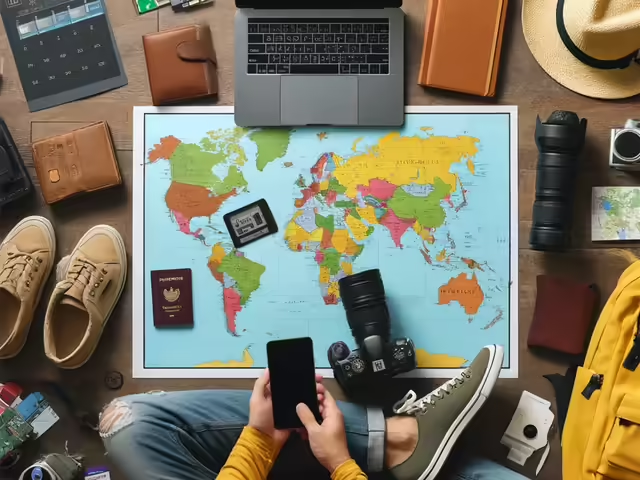
One overlooked step in travel planning is identifying the kind of traveler you are. Some people prefer a relaxed itinerary with fewer attractions and more time to enjoy a place. Others want to see as much as possible in every city.
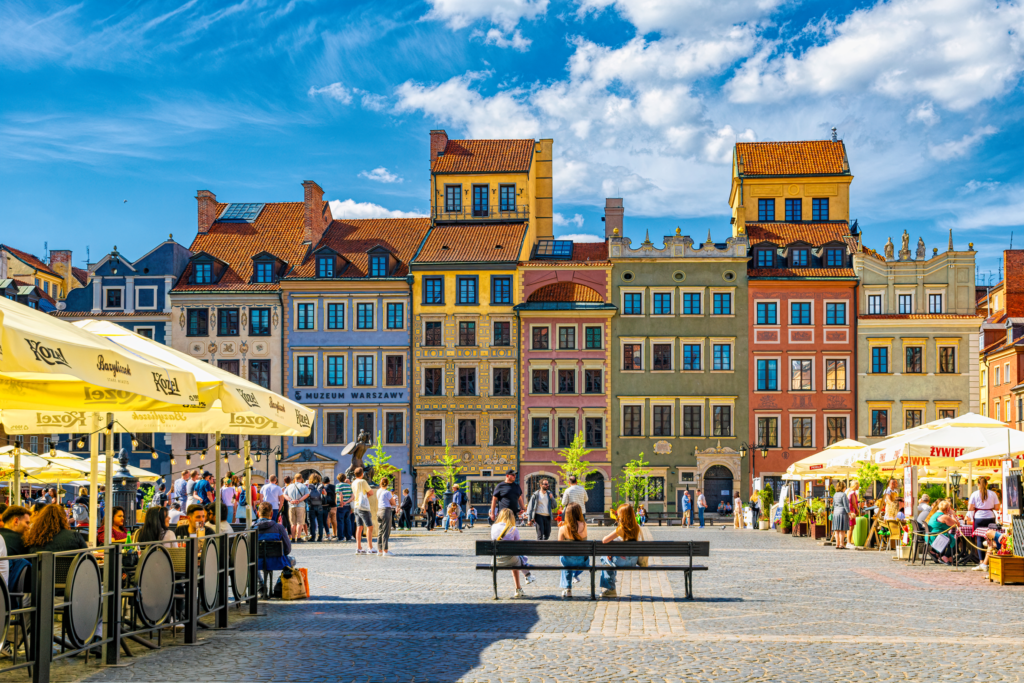
Europe can be expensive, so knowing your travel style helps allocate your budget more wisely. Many famous attractions charge entry tickets beyond the main viewing areas. Often, you can enjoy stunning architecture, public squares, and historic surroundings without paying for every interior experience.
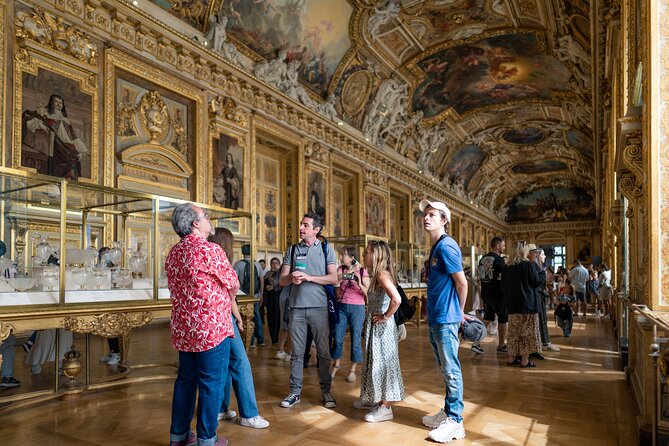
Personally, I tend to skip most museums unless they are truly unique or include a guided tour. A knowledgeable guide bringing history to life can make the visit worthwhile. Otherwise, simply wandering through old streets, city centers, and viewpoints often provides a richer experience. Choose what genuinely interests you rather than trying to see everything.

Final Thoughts
Traveling through Europe becomes much smoother when you prepare for the small things. A medicine kit, backup payment cards, local currency, and quick checks on attraction timings may seem minor, but they can prevent unnecessary disruptions.
With a little planning and flexibility, your trip can stay focused on what matters most — enjoying the journey.