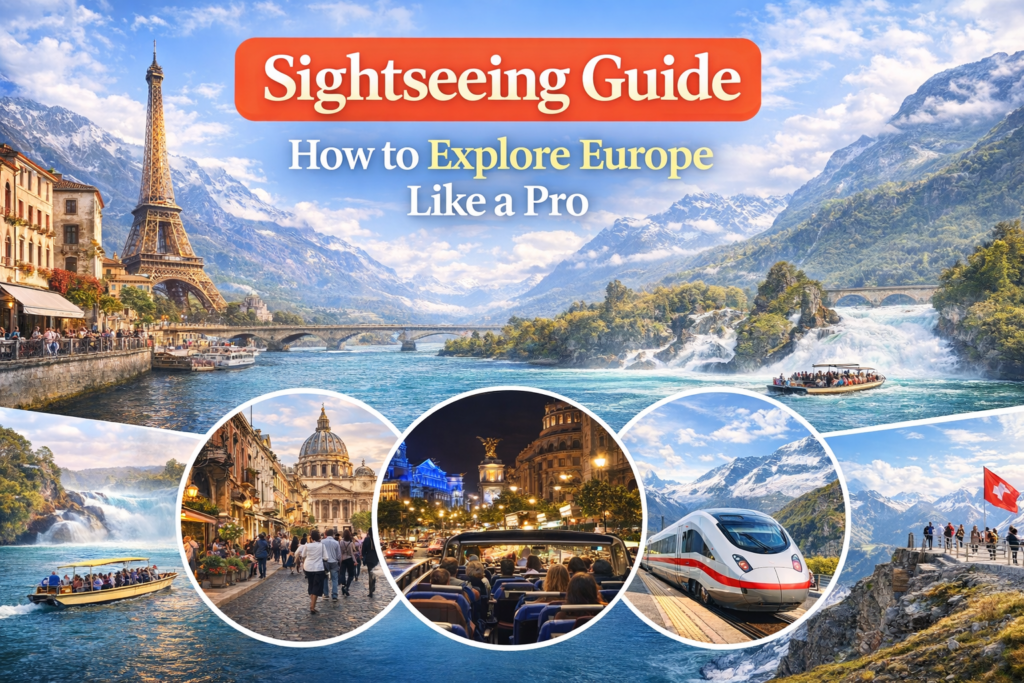
Europe rewards travelers who explore thoughtfully. From lakeside towns and river cruises to historic churches and mountain viewpoints, sightseeing here often feels like stepping into a storybook. Yet many travelers rush through destinations, missing experiences that truly define a city. A bit of planning can make a noticeable difference. If you are planning a multi-city itinerary across the continent, these five sightseeing tips will help you experience European cities more efficiently and meaningfully.
Don’t Miss the Water: Cruises, Ferries, and Boat Rides
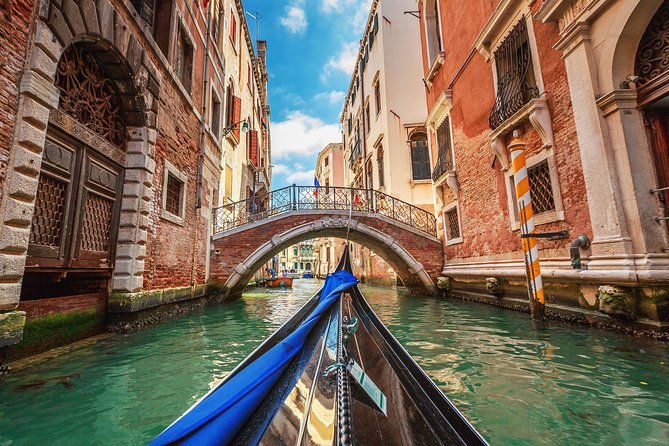
One thing you will quickly notice while traveling across Europe is that almost every major city is built around water. Rivers, lakes, and canals have shaped the history and lifestyle of these places. As a result, boat rides are often among the best sightseeing experiences you can have. Cities such as Paris, Amsterdam, Venice, Lucerne, and Budapest all offer memorable river or lake cruises. These rides provide a completely different perspective of the city skyline and historic architecture.
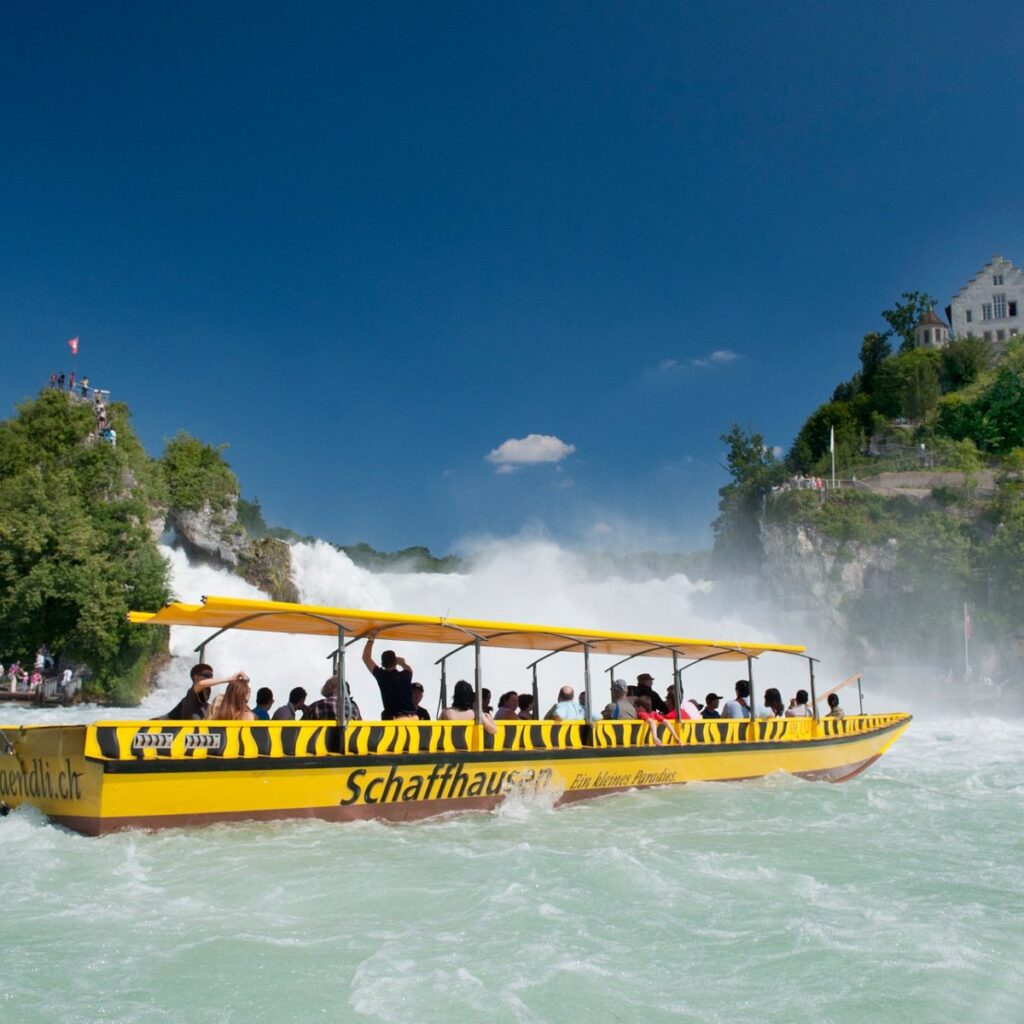
One of my most memorable experiences was visiting the Rhine Falls in Switzerland, which is reachable by train from Bern. Standing near Europe’s largest waterfall is impressive, but seeing the surrounding landscape from the river is even better.
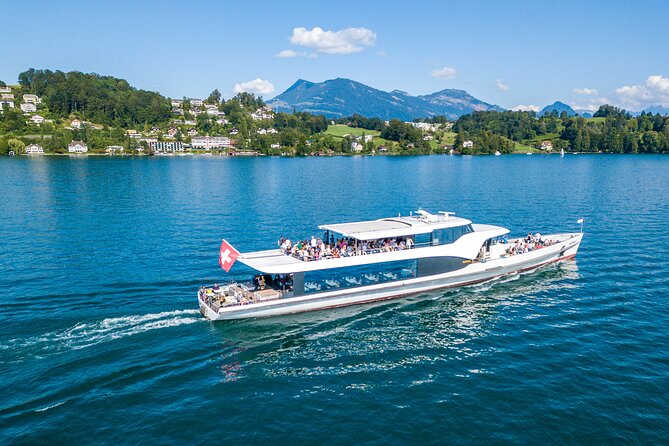
Another time in Lucerne, a last-minute hotel change pushed my stay from the city center to the quiet lakeside town of Weggis. Instead of taking the bus and train back into Lucerne, I relied on the ferry across Lake Lucerne. The daily cruise quickly became the highlight of the stay. Sometimes the unexpected detours end up creating the best memories.
If your itinerary includes cities near water, make room for a boat ride. It’s sightseeing at a slower pace—and often the most scenic part of the trip.
Experience the City During the Day and at Night
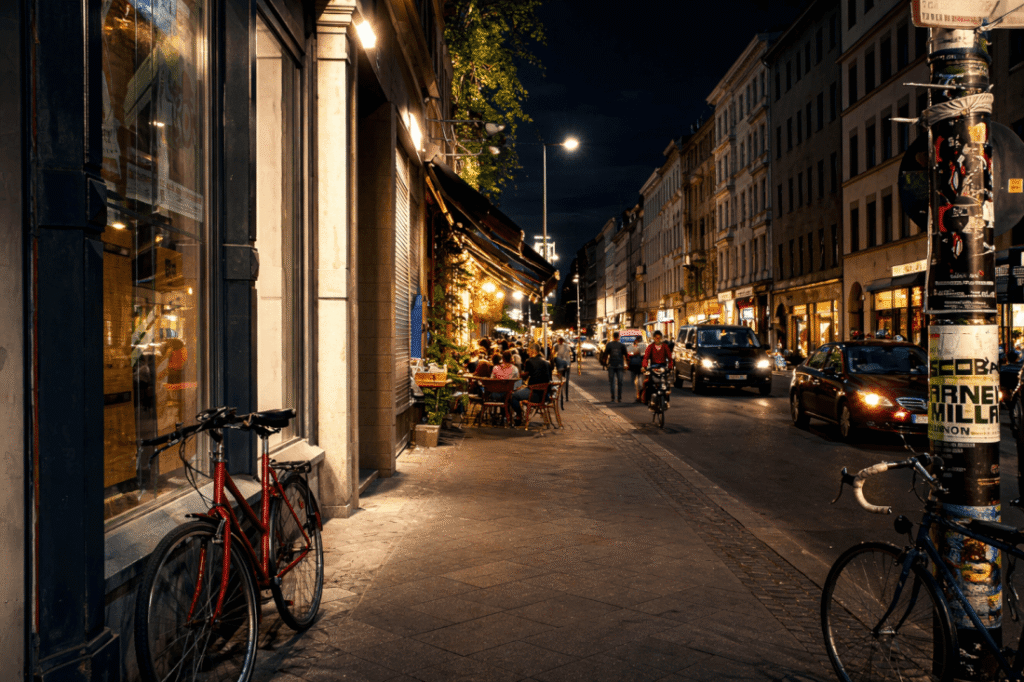
Many travelers plan their sightseeing only during daytime hours. That works, but it misses half the story. European cities transform after sunset. Historic monuments light up, streets become livelier, and restaurants spill out onto plazas. Walking through a city at night often feels completely different from exploring it during the day.
Think of cities like Paris, Berlin, Frankfurt, or Madrid. During the day, museums, churches, and historic landmarks take center stage. At night, cafés, riverfront walks, street performers, and illuminated architecture create a completely different atmosphere.
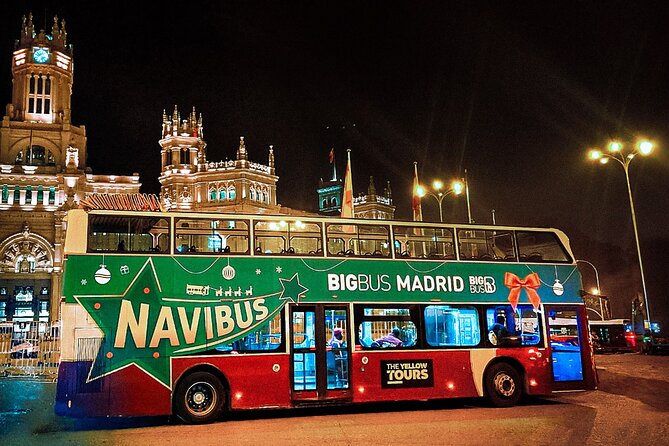
One of my most memorable experiences was taking a night city bus tour in Madrid. It was an open-air double-decker bus, and as it rolled through the city, the streets were buzzing with life. The cool evening breeze, lively commentary from the guide, and beautifully lit buildings made the experience surprisingly special. Madrid at night felt energetic and welcoming in a way that daytime sightseeing doesn’t quite capture.
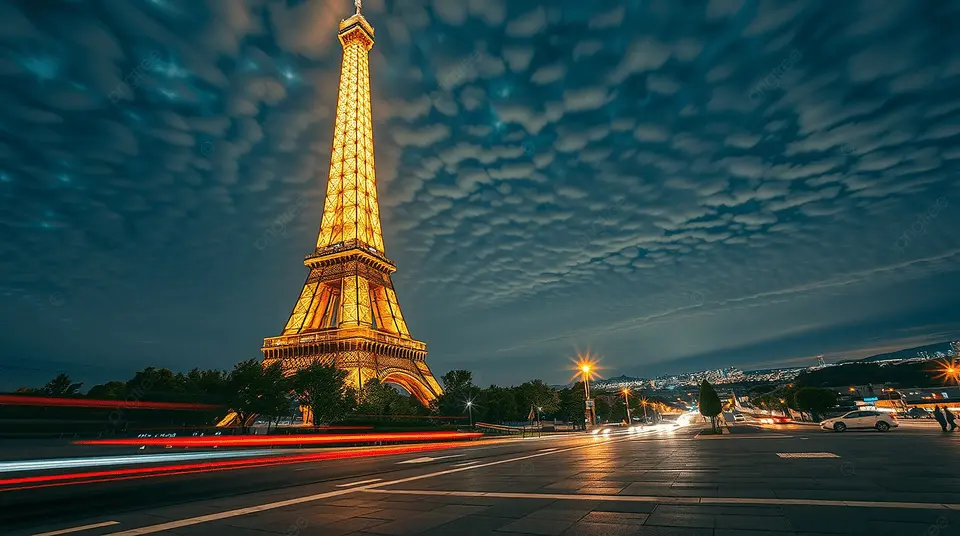
Paris, along the Seine at night, offers a similar charm. The Eiffel Tower lights up every hour, bridges glow over the river, and the streets remain active well past midnight.
If your itinerary allows, revisit at least one landmark after dark. It often feels like seeing the city twice—and sometimes the nighttime version turns out to be the better one.
Respect Local Dress Codes at Churches and Religious Sites
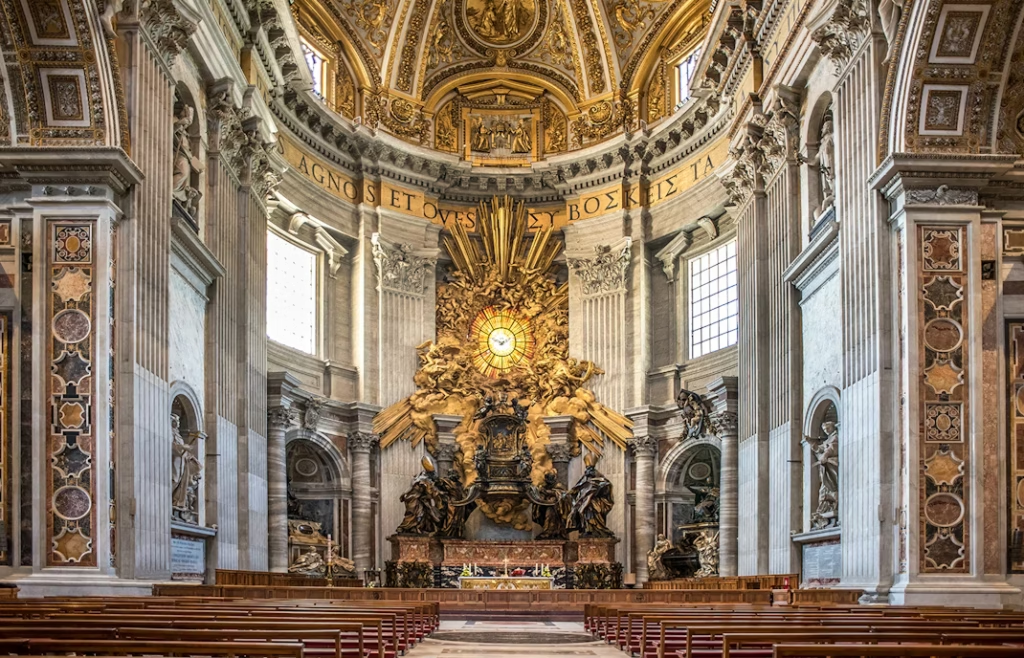
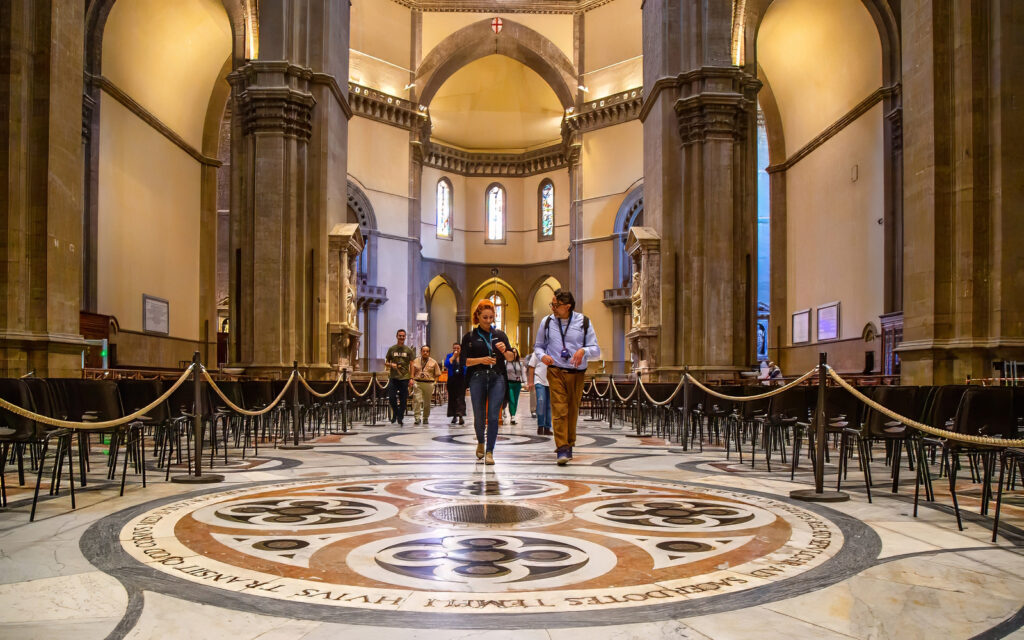
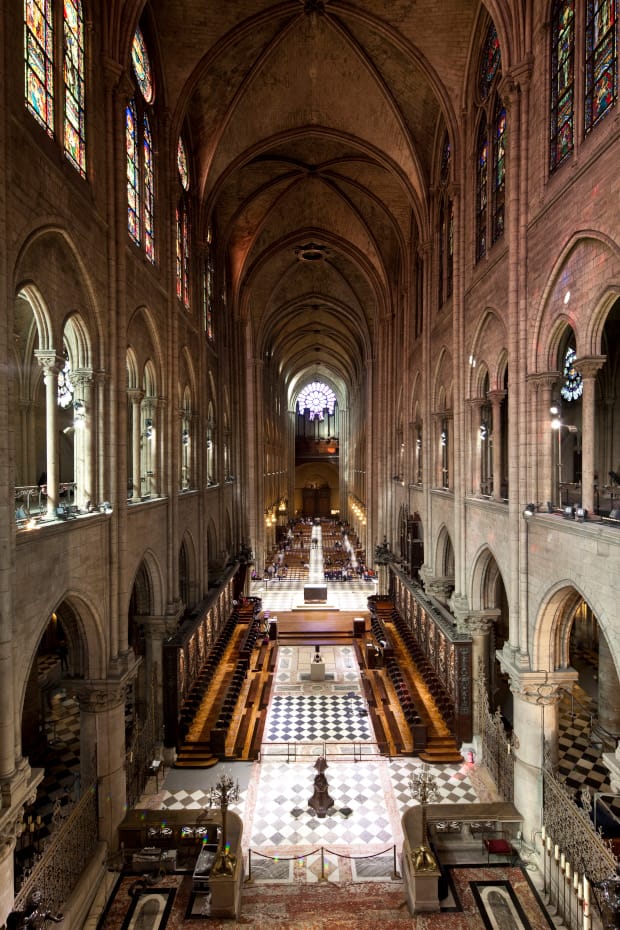
Europe’s churches and cathedrals are not just tourist attractions—they are active places of worship. Many travelers forget this and get turned away at the entrance.
Basic etiquette goes a long way. In most churches across Italy, Spain, France, and parts of Germany, visitors are expected to dress modestly. Shoulders and knees are typically required to be covered. Hats should be removed before entering. This might seem like a small detail, but ignoring it can disrupt your sightseeing schedule. Some famous churches enforce these rules strictly.
Carry a light scarf or shawl in your bag if you plan to visit religious sites. It’s an easy solution and keeps your itinerary moving smoothly.
Travel Light Between Cities
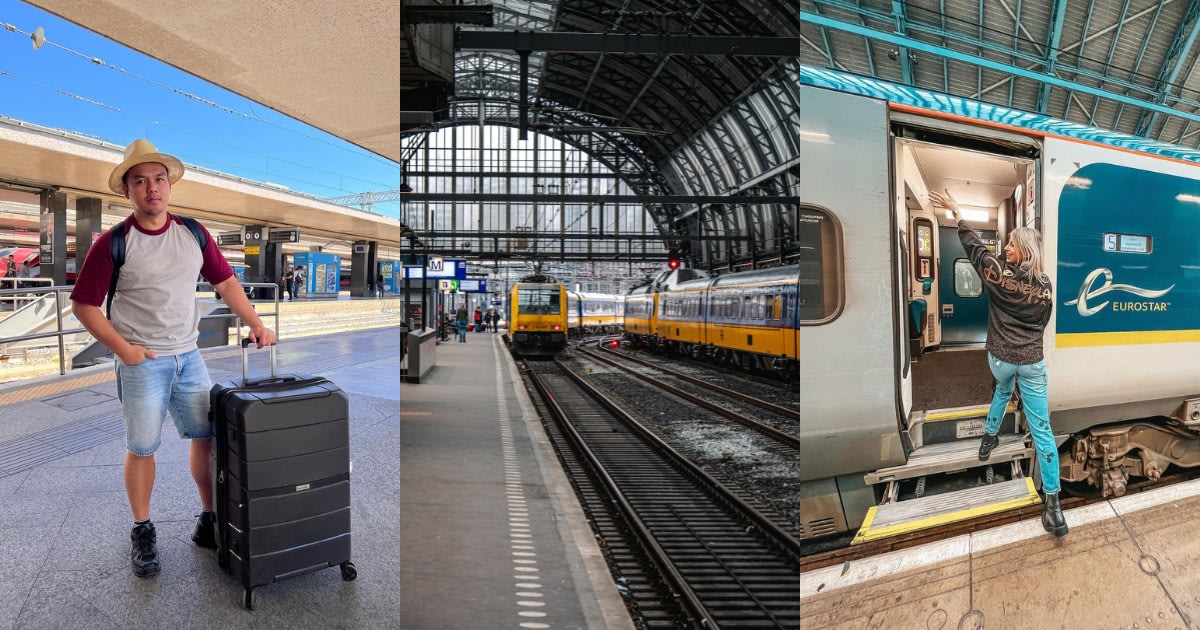
Europe’s rail network makes traveling between cities extremely convenient. But dragging oversized luggage through train stations, cobbled streets, and hotel staircases can quickly become exhausting. Packing lighter makes inter-city travel much easier.
Personally, this is a lesson I’m still learning. I often pack for every possible scenario, and the result is always heavier luggage than necessary. The real factors that matter most are weather and trip length. If you can minimize your luggage, moving between cities becomes much simpler. Still, there are ways to handle larger bags if needed:
- Book first-class train seats, which usually provide more luggage space and less crowding.
- Use taxis or ride-hailing services between hotels and train stations.
- For airport transfers, consider app-based vans that allow larger luggage capacity.
- Airlines within Europe usually allow additional baggage for a fee if needed.
Even small adjustments can make a big difference during a multi-city itinerary.
Keep Extra Days for Mountain Excursions
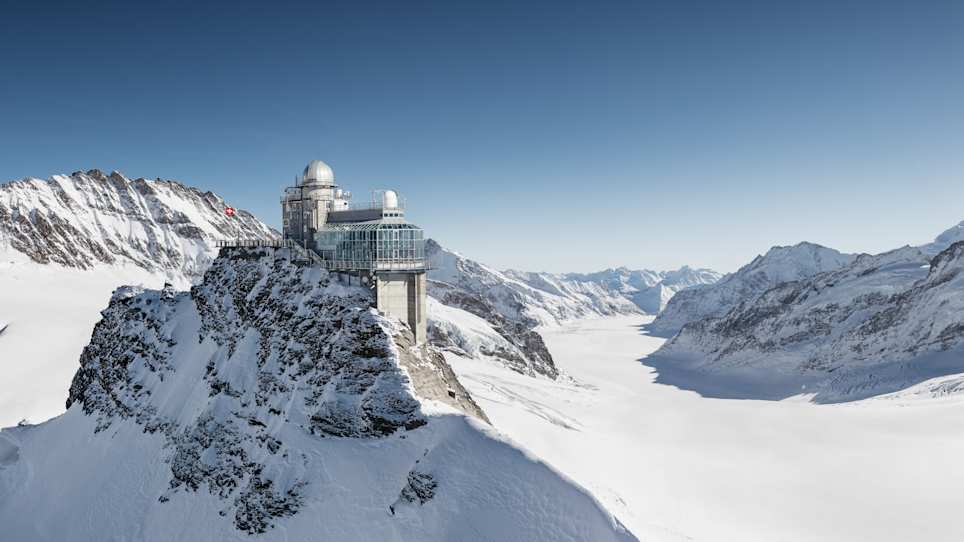
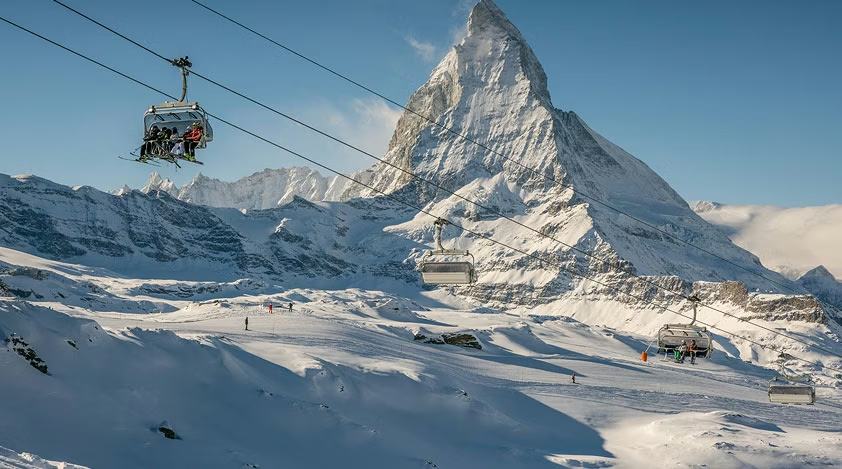
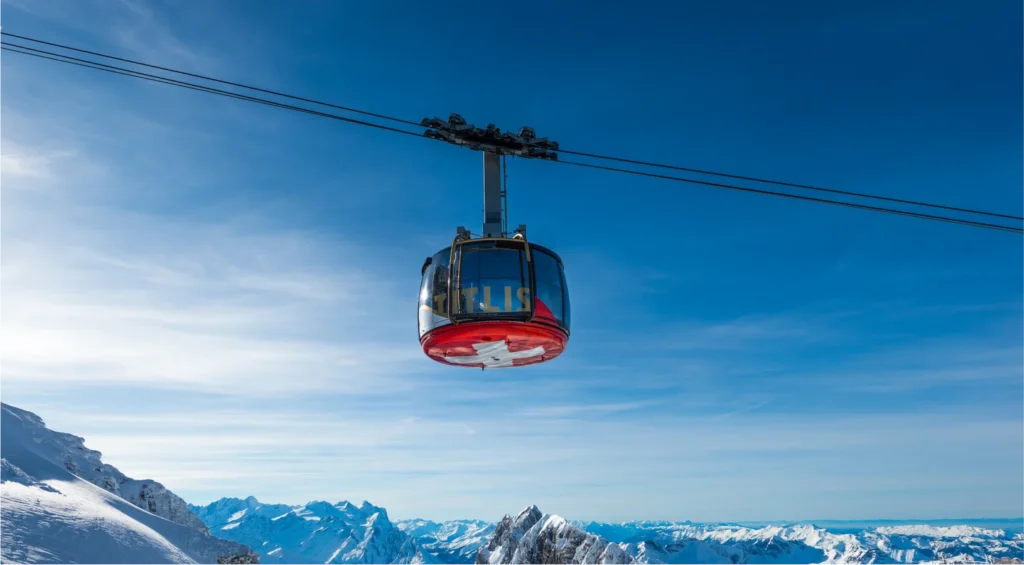
Some of Europe’s most famous sightseeing spots are mountain viewpoints—places like Jungfraujoch, Mount Titlis, Zermatt, or the Dolomites. These experiences are spectacular when the weather cooperates. But mountain weather can change quickly.
If clouds roll in, the view from the summit might be nothing more than a wall of fog. Considering that mountain tickets are often expensive, this can be disappointing.
For iconic peaks such as Jungfraujoch – Top of Europe, it’s wise to keep a spare day in your itinerary. If the weather isn’t clear on your first attempt, you still have another chance. This small buffer can be the difference between an unforgettable alpine panorama and a cloudy disappointment.
Final Thoughts
Sightseeing across Europe isn’t just about ticking landmarks off a list. It’s about experiencing cities from different perspectives—on water, after sunset, inside historic churches, and high up in the mountains.
Plan thoughtfully, stay flexible, and give yourself time to explore beyond the obvious spots. Often, the best travel moments come from the experiences you didn’t expect to enjoy the most. And if Europe is on your upcoming travel list, thoughtful planning can turn a good trip into an exceptional one.